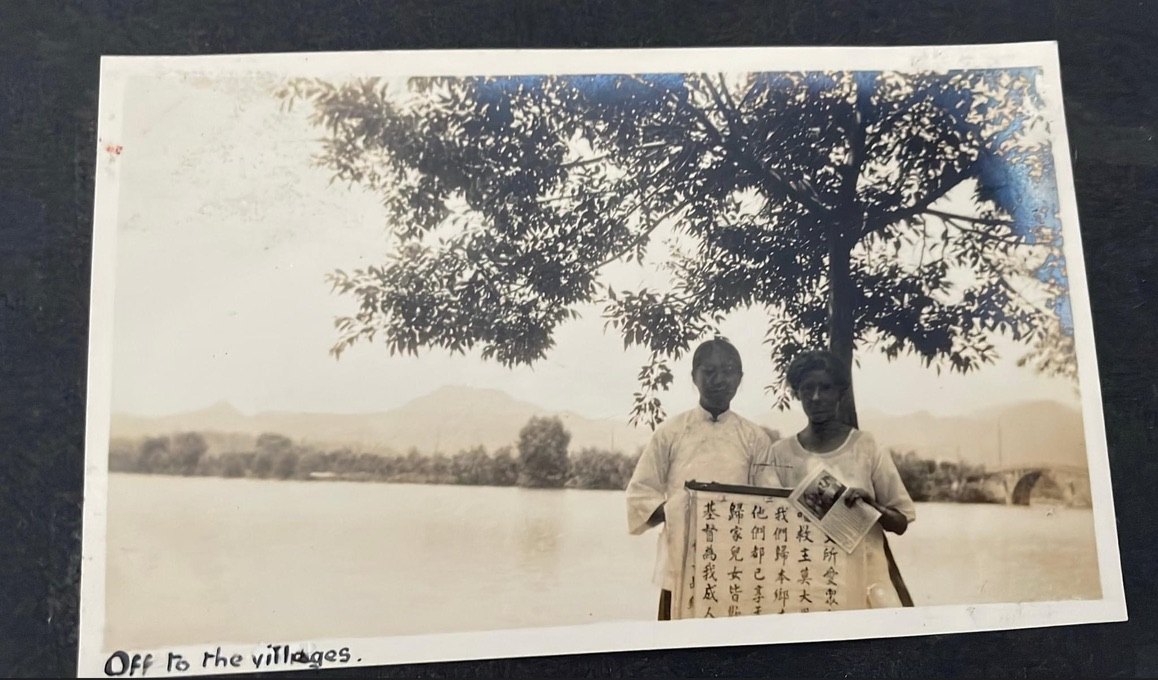
In 2015, the Hangzhou Daily called Margaret Woods one of Hangzhou’s “Schindlers” for her work helping civilians during the Japanese occupation.3
She went to China as a missionary in 1920 and worked there for thirty years. She lived through the Japanese occupation of Hangzhou and spent more than two years in an internment camp in Shanghai.
At sixty-two she went to South India, where she worked for another eleven years. She returned to New Zealand, probably at the end of 1963, and spent her last working years in Whanganui.4
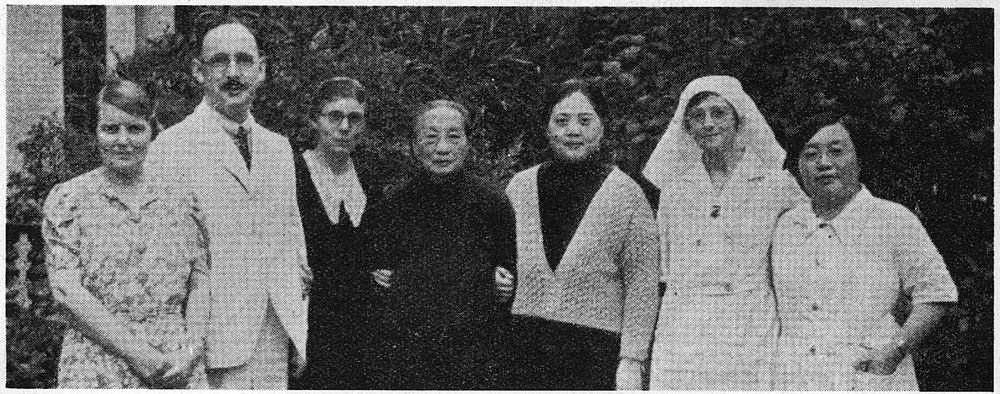
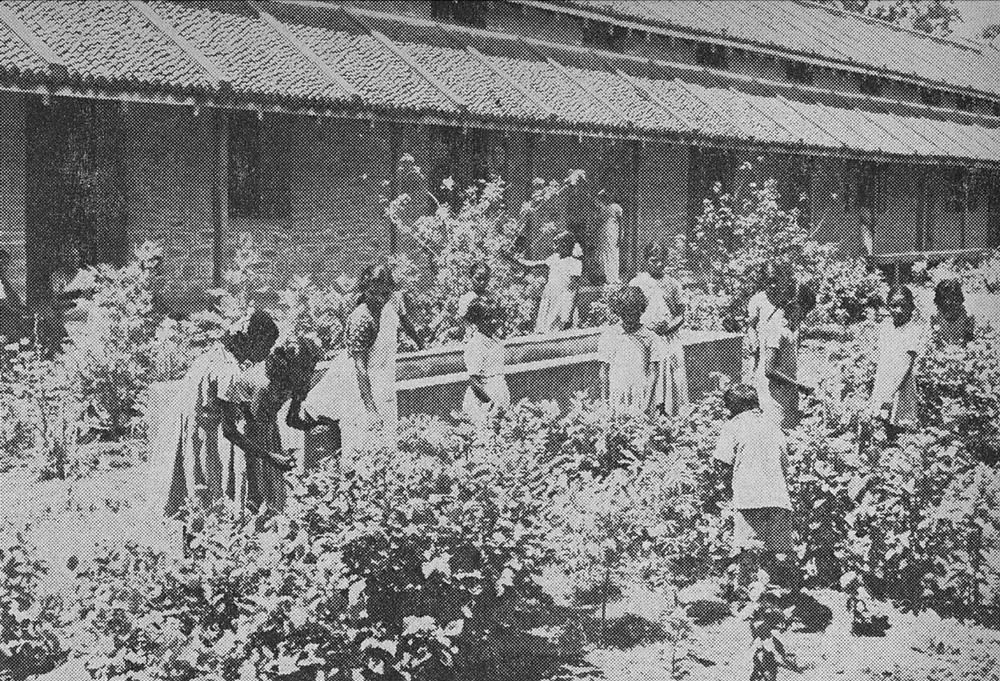
My family passed down a few stories about her and the photograph above. This account also draws on New Zealand church magazines, wartime records and a former pupil’s memories.5
Her pupils called her 吴先生, Teacher Wu.6 Newspapers and church magazines usually called her “Miss M. Woods”, sometimes “Miss Wood”. In Whanganui she was known as “Sister Margaret”.7
Her birth was probably registered as Ellen Margaret Woods.8
Wiltshire and Christchurch
1890–1920
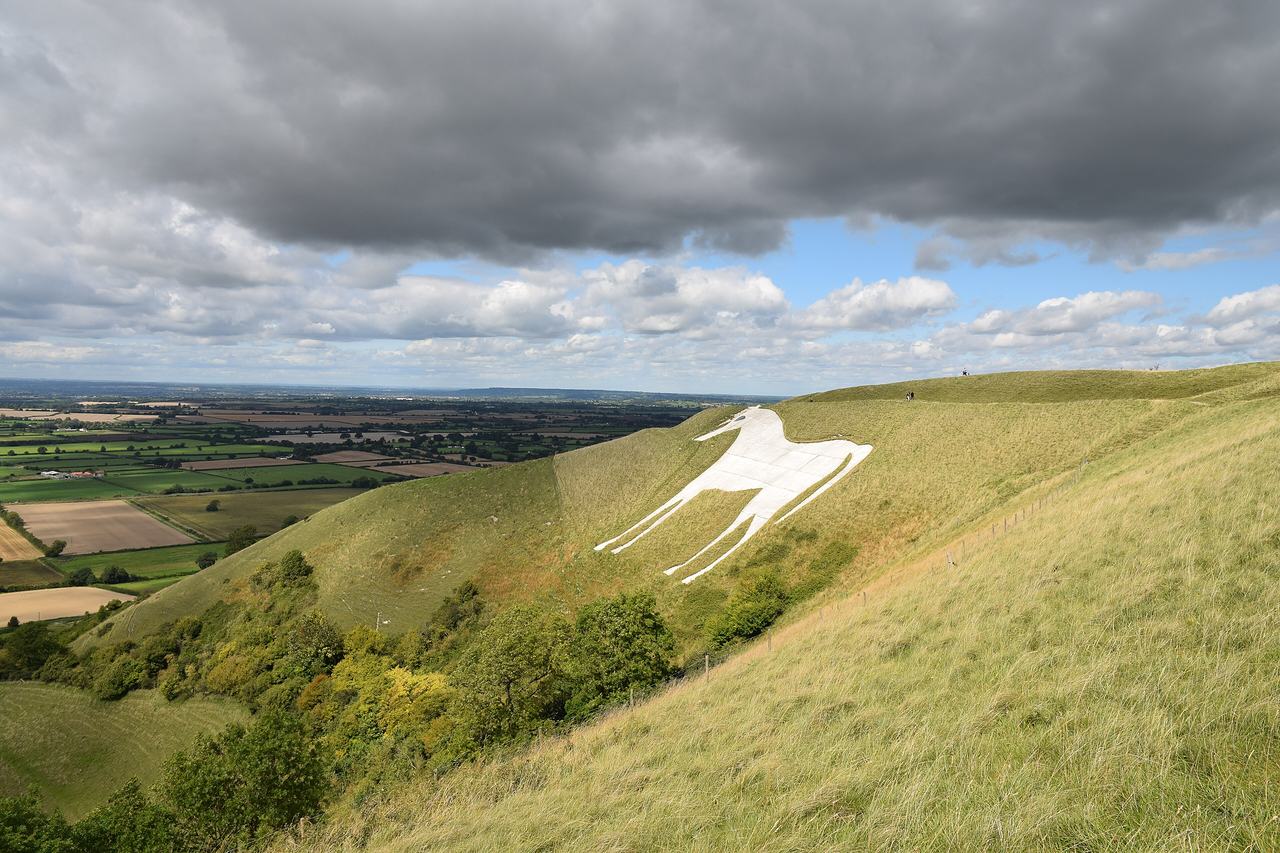
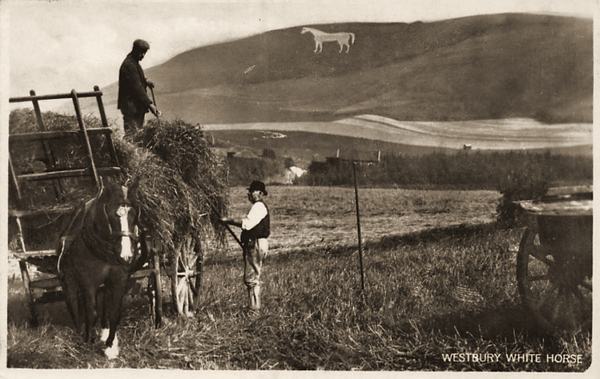
The White Horse above Westbury, 2017. Photo: Hugh Llewelyn.
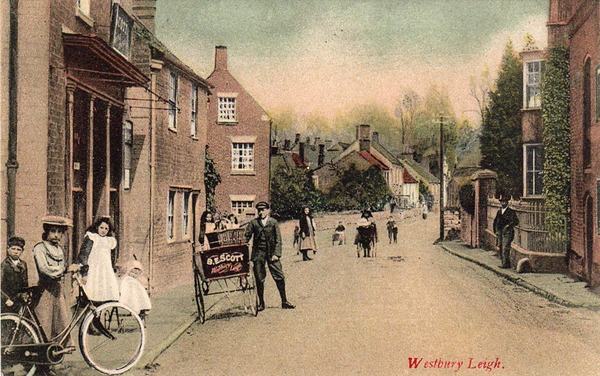
She was probably born on 1 September 1890 in the Westbury district of Wiltshire.9 She appears to have been the eldest child. Her younger brothers were William (1892), Ivor (1895) and Edwin (1897).10
The family probably moved to New Zealand between 1908 and 1913, when Margaret was already a young woman.11
Wiltshire to Canterbury
Christchurch today
Explore the places on OpenStreetMap. Or view Westbury.
Canterbury by road
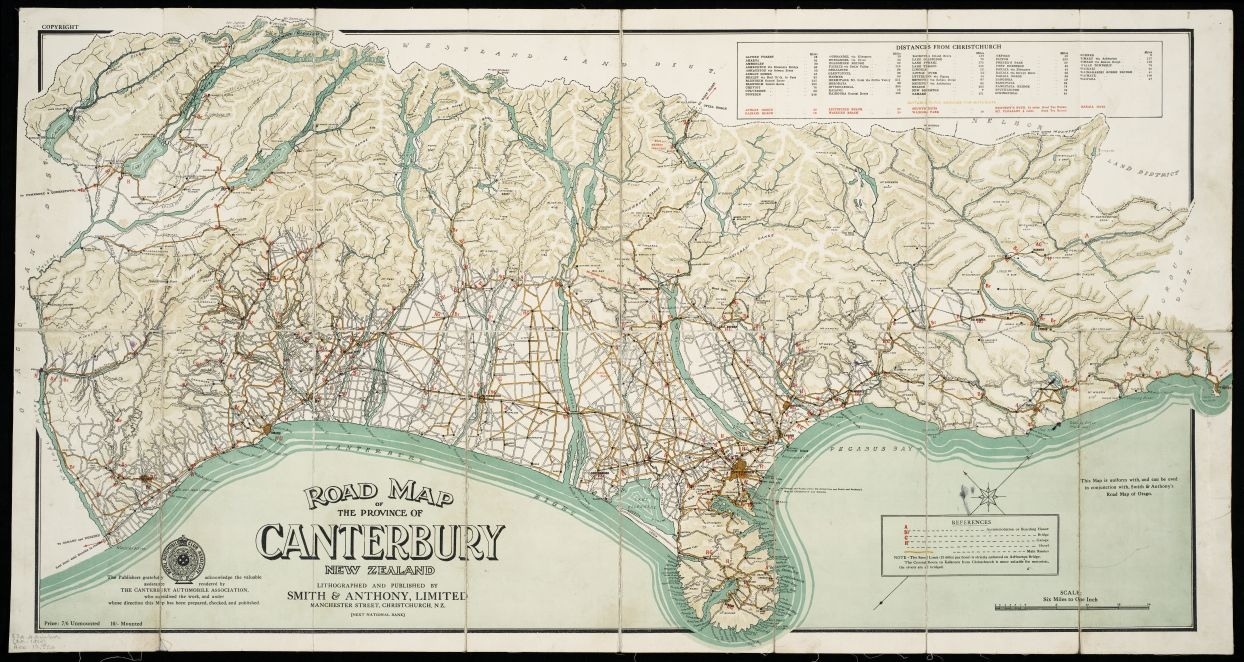 Enlarge map


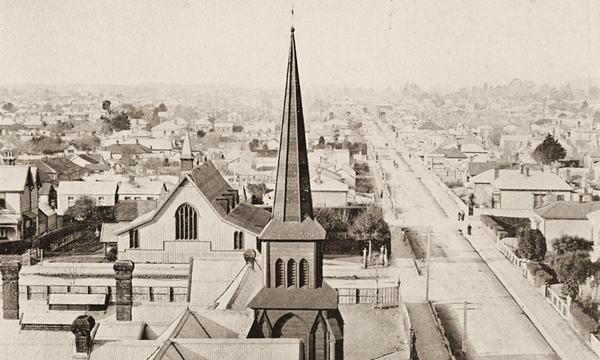
When the First World War began, she was living at 5 Huxley Street, Sydenham. All three brothers listed her as their next of kin when they went overseas.12
Edwin was wounded in 1916. William was discharged from the army that October.13
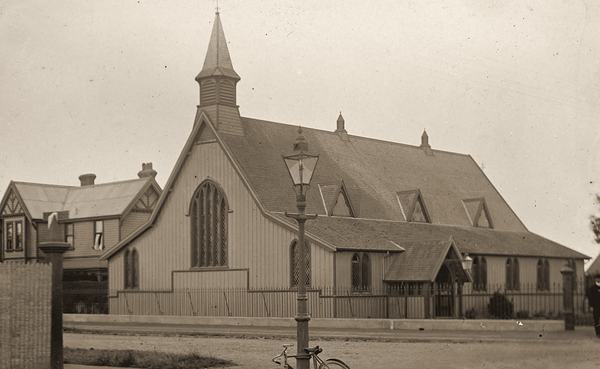
In April 1919 the Church Missionary Society in Christchurch accepted “Miss Woods (Sydenham)” for missionary service.14
William had been blinded by a bullet at Gallipoli in May 1915. He trained as a masseur at St Dunstan’s in London before returning to New Zealand in 1916.15
By 1927 he was president of St Dunstan’s New Zealand branch, which supported blinded servicemen. He also served as secretary of the Christchurch advisory committee of the New Zealand Institute for the Blind. In the 1948 New Zealand New Year Honours, he received an MBE (Member of the Order of the British Empire).16
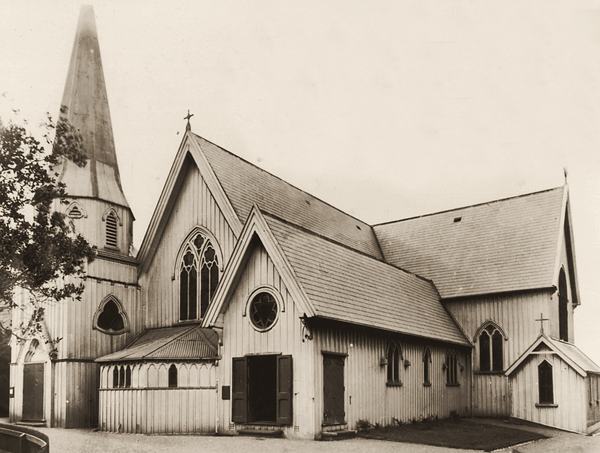
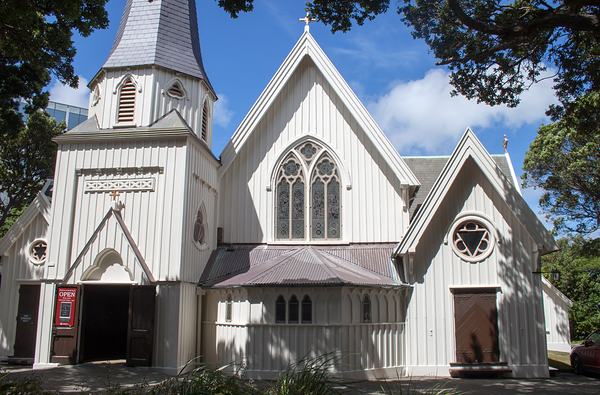
On 17 August 1920 Margaret was commissioned at St Paul’s Pro-Cathedral in Wellington, “the first missionary to be sent out by the newly-constituted Board of Missions”.17
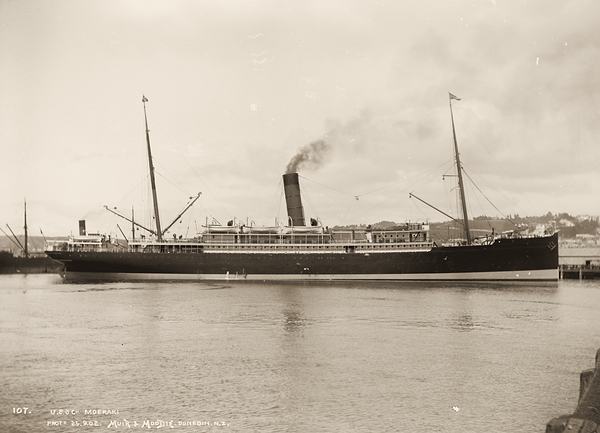
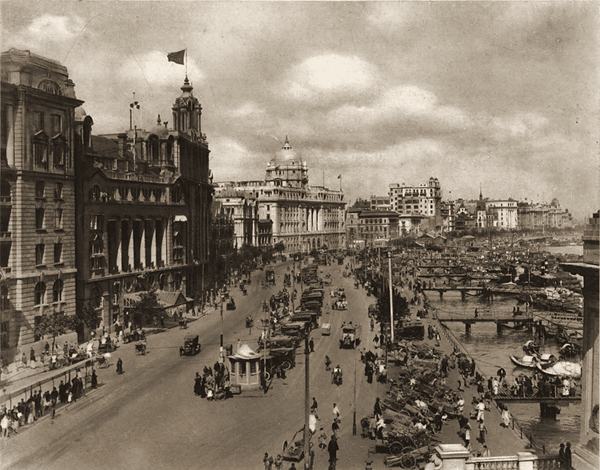
Her own parish, St Saviour’s in Sydenham, gave her a farewell service that September, and she left Wellington on the Moeraki. She landed at Shanghai on 26 November 1920.18


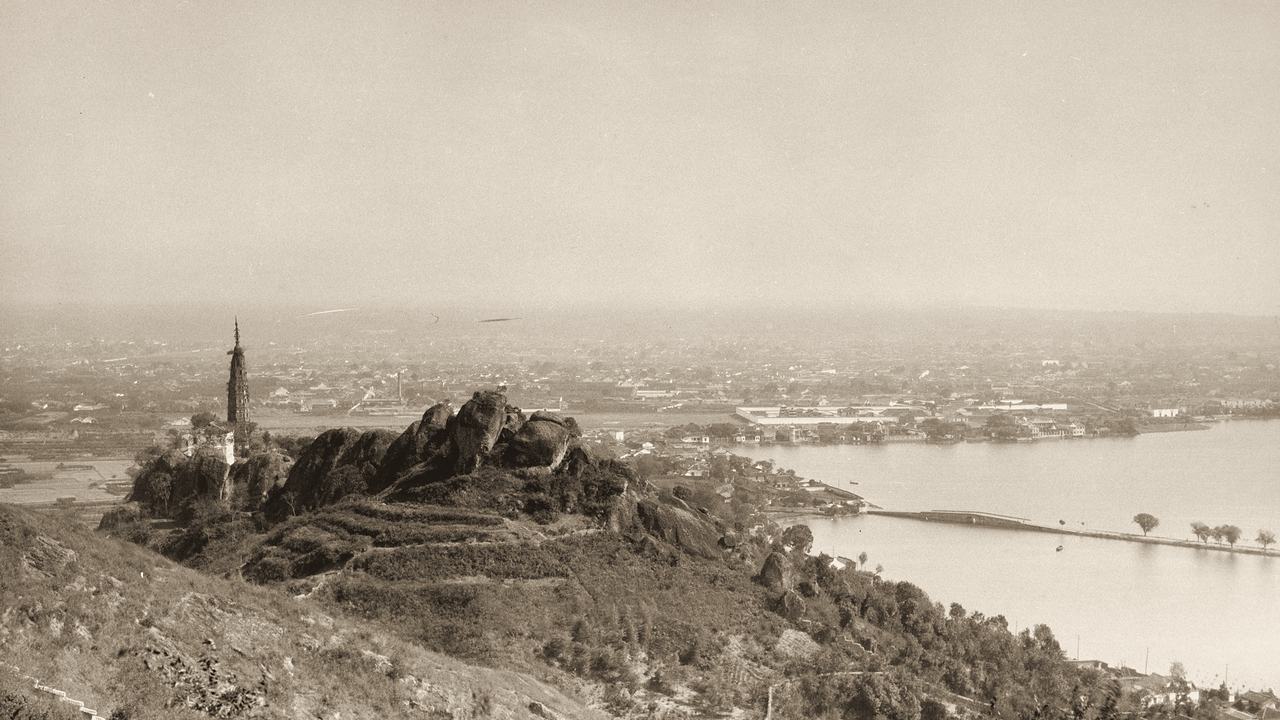
Hangzhou
1920–1937
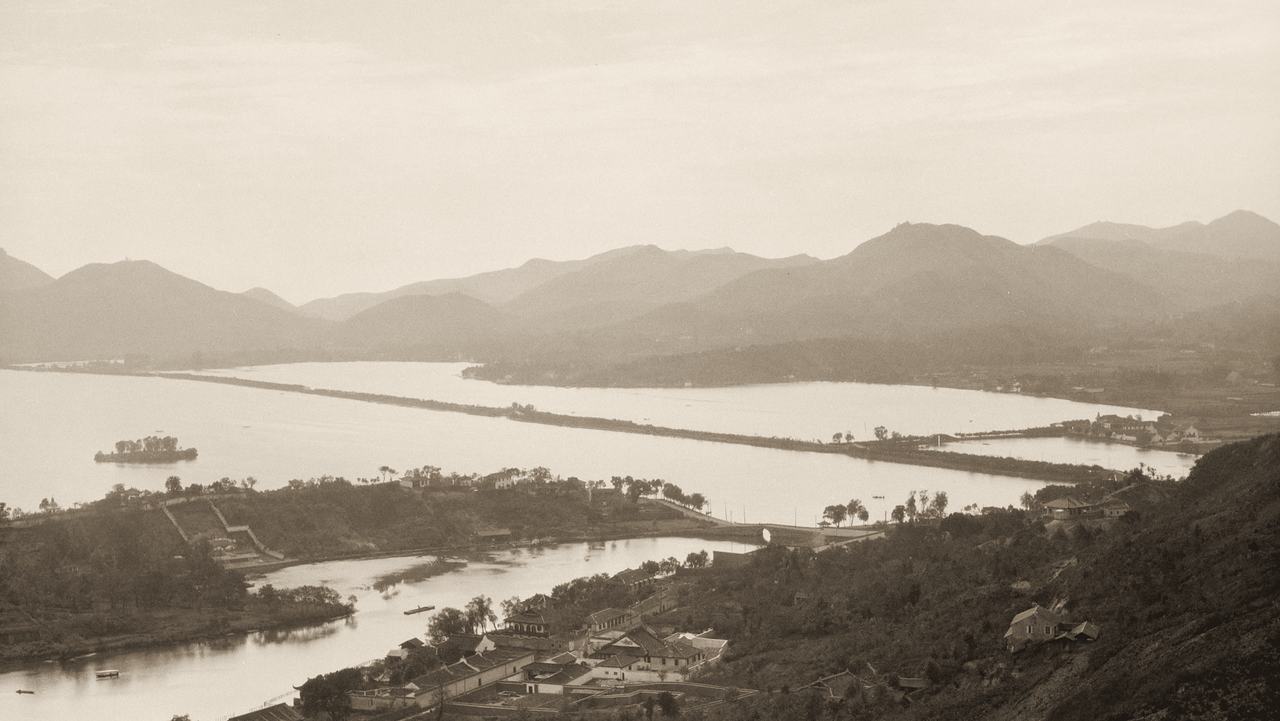
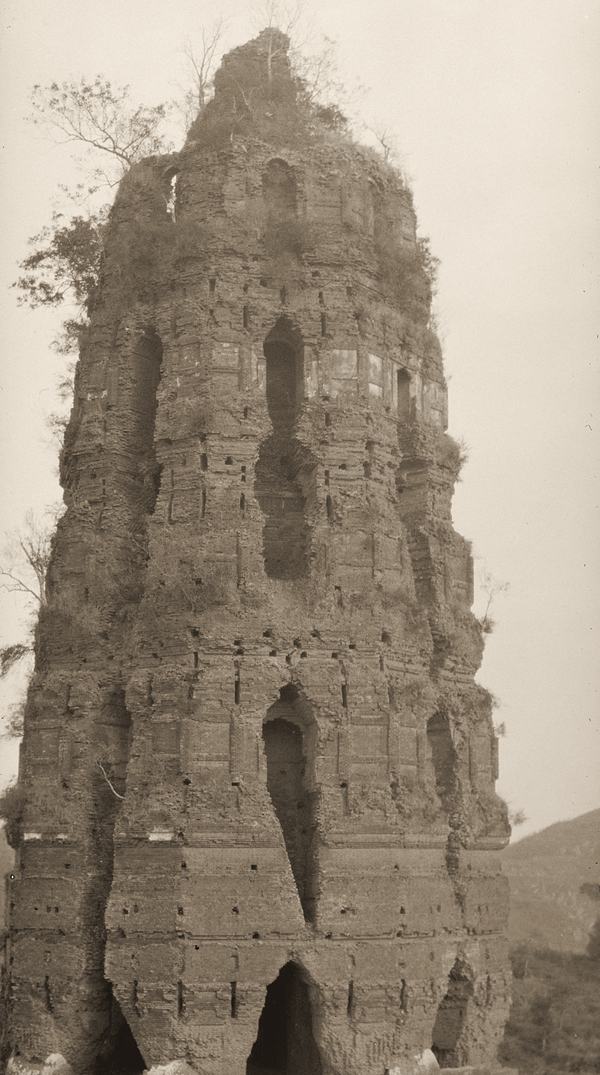
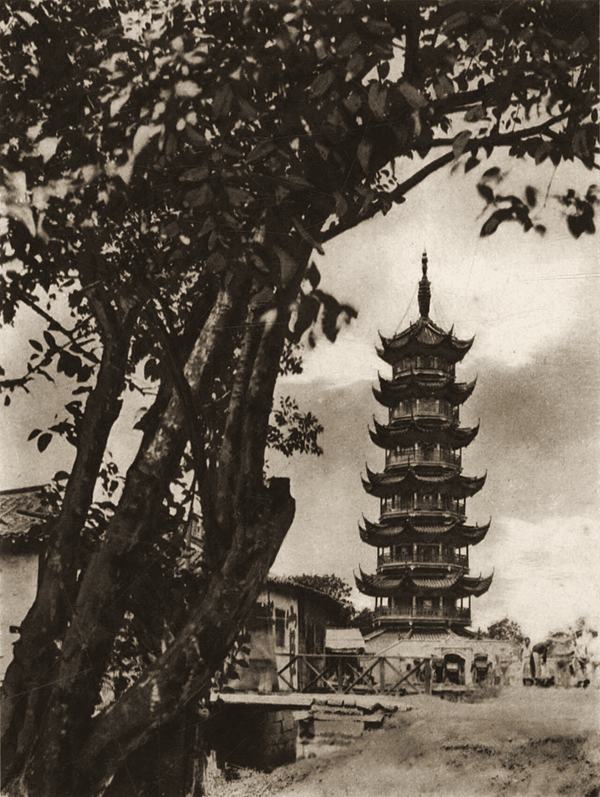
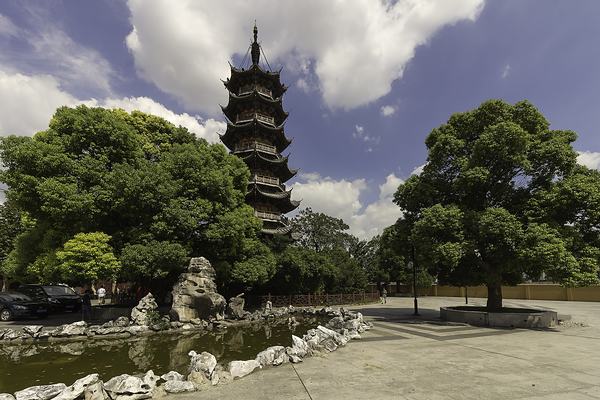
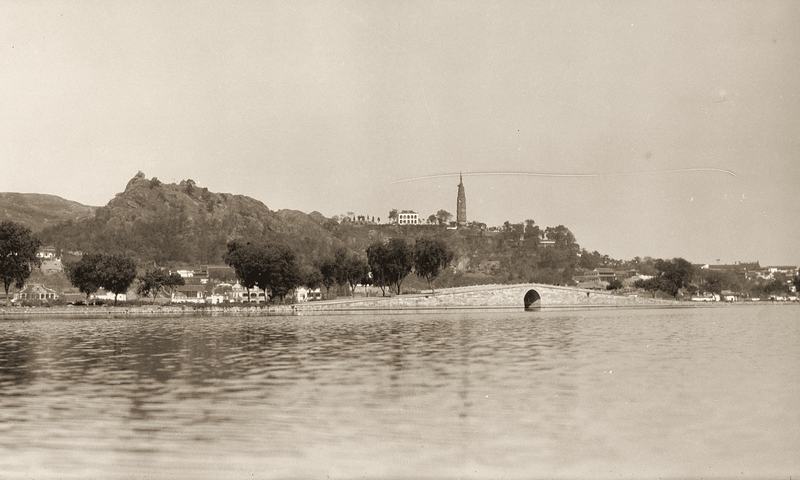
Over Baochu Pagoda to the city, about 1923. Harold Stephen Bucklin, courtesy of the Phillips Library, Peabody Essex Museum.
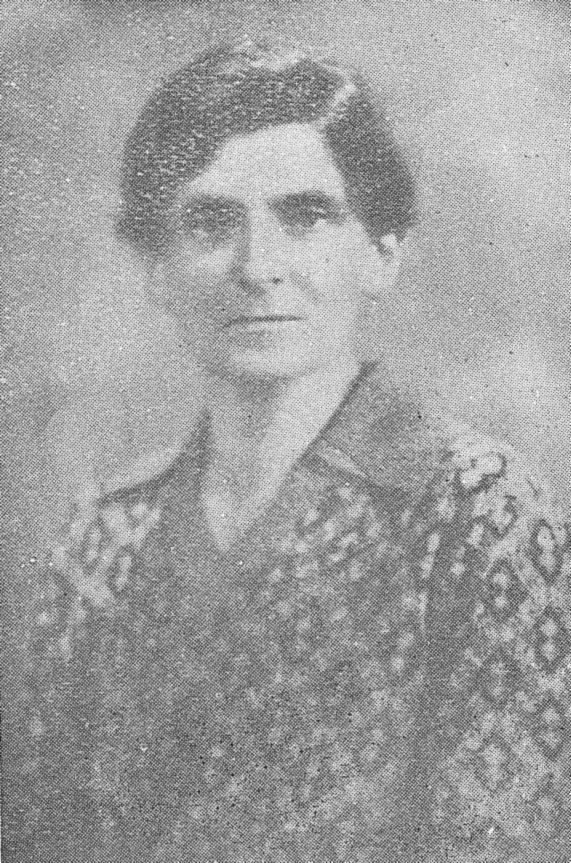
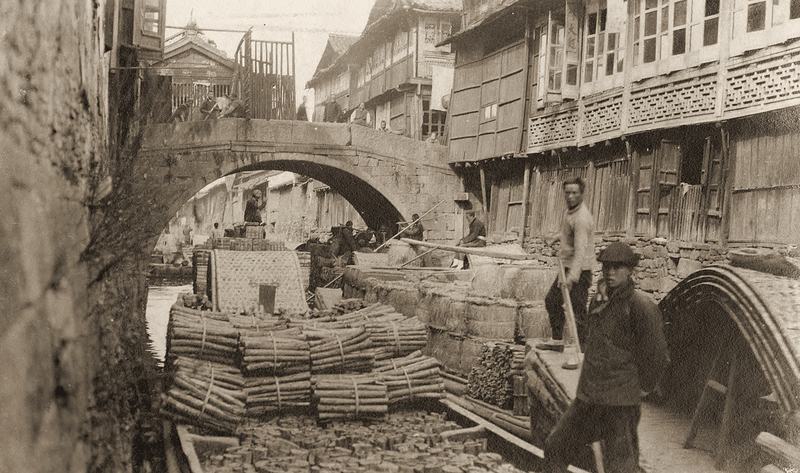
Margaret arrived in China in November 1920 and was sent to Hangzhou, then known in English as Hangchow, to teach at Mary Vaughan High School for girls (冯氏女中).19
She also began teaching children who gathered outside the mission hospital. She later recalled that they kept their distance when she called them over, “ready to run like rabbits”.
In time, she persuaded them to come inside. More children came each Sunday, followed by adults. Some of the children later became her helpers.20
A few years later, Bishop Molony wrote: “She is doing splendidly. Can’t you send us some more ladies of that calibre?”21
Hangzhou and West Lake
Zijinguan Lane today
Explore the places on OpenStreetMap.
West Lake before her arrival
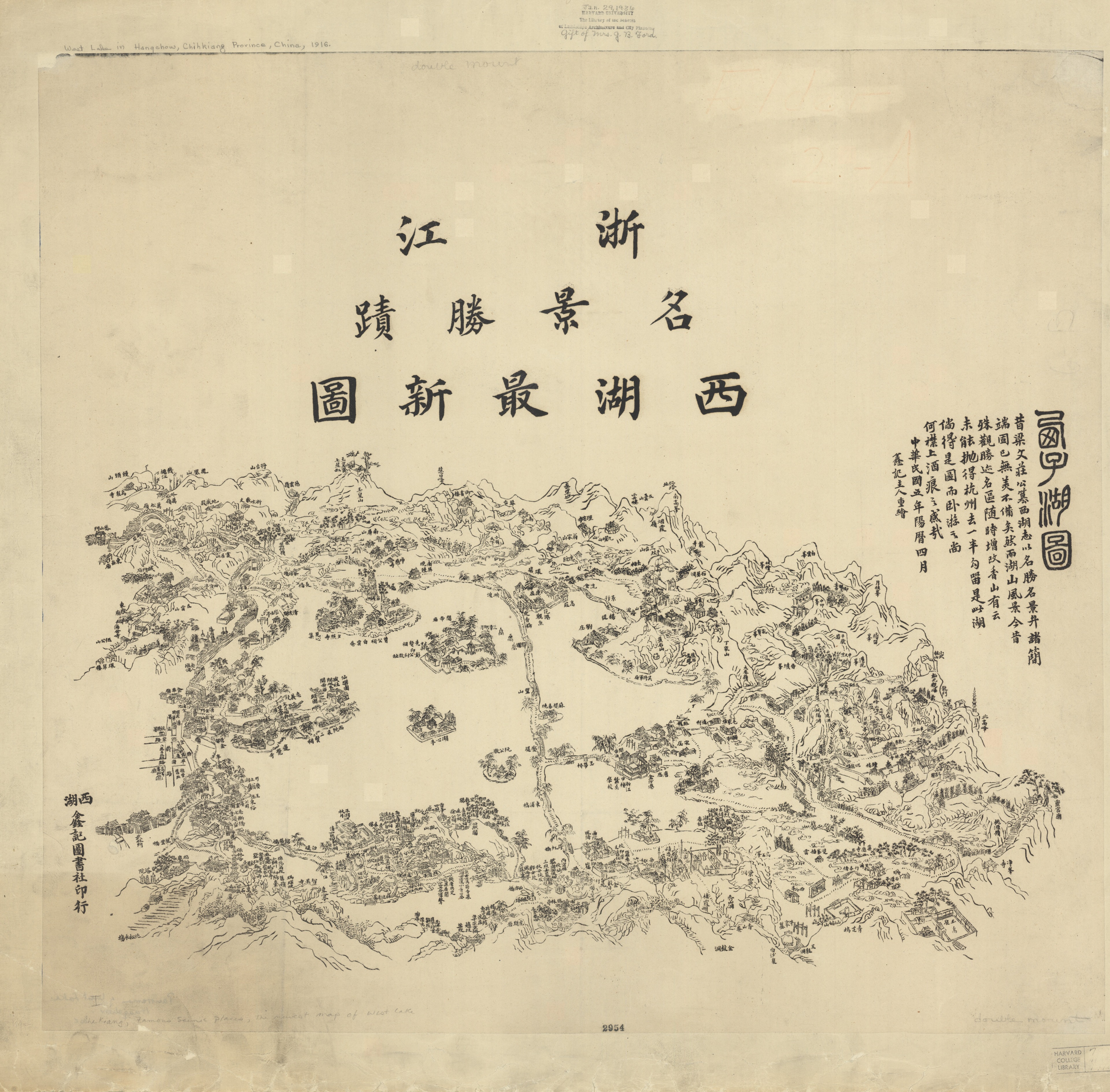 Enlarge map

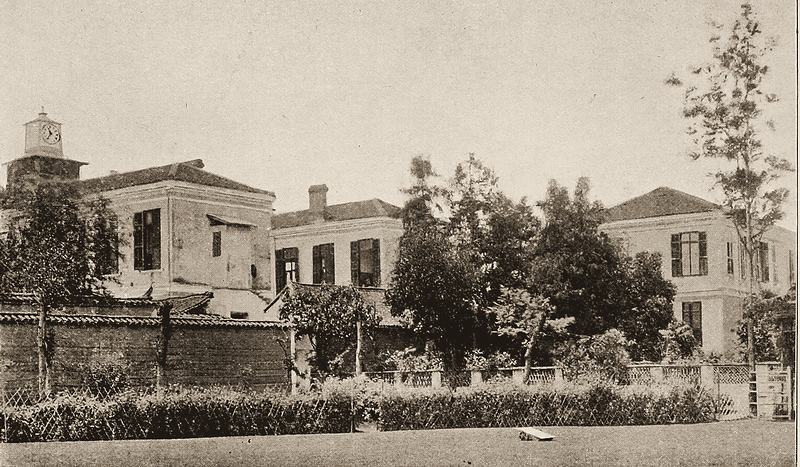
A mission report from 1929 counted more than a thousand children attending her Sunday schools in the city each week.23
She trained Chinese teachers to run the schools. In 1931 she delayed her leave for a year to train more teachers in rural areas and arrange for children’s reading books to be translated and printed.24
By late 1932 the schools had reached forty more villages.25
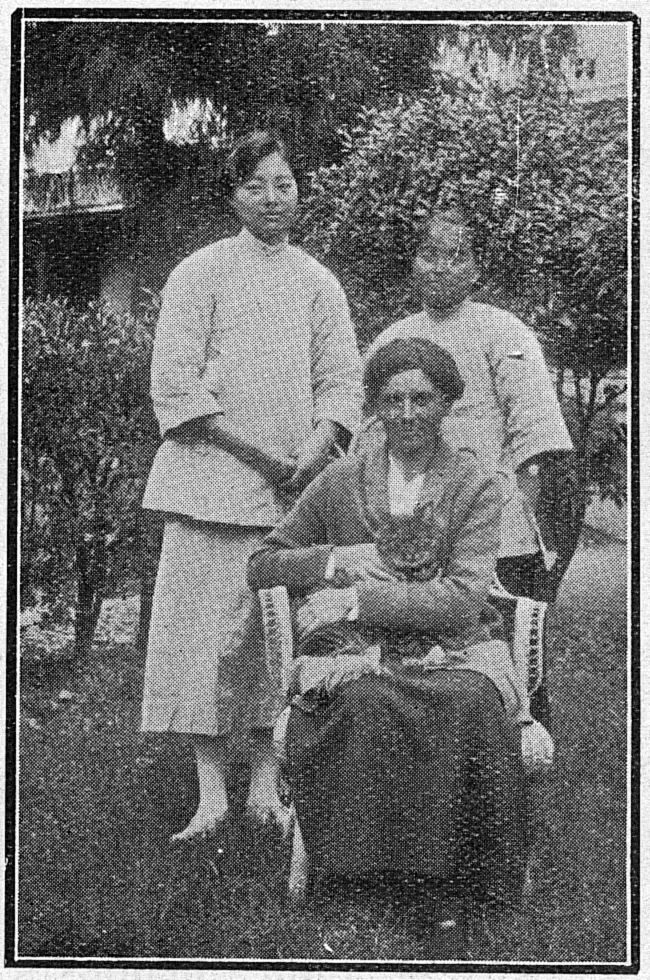
On leave in 1933, she toured the South Island giving talks with lantern slides made from her own photographs. At one gathering in Christchurch, the children were so interested that they refused to go home.26
By 1934, back in Hangzhou, donations from Christchurch helped her begin working with the city’s rickshaw pullers. It was “a thing we have longed to do for years”, she wrote.27
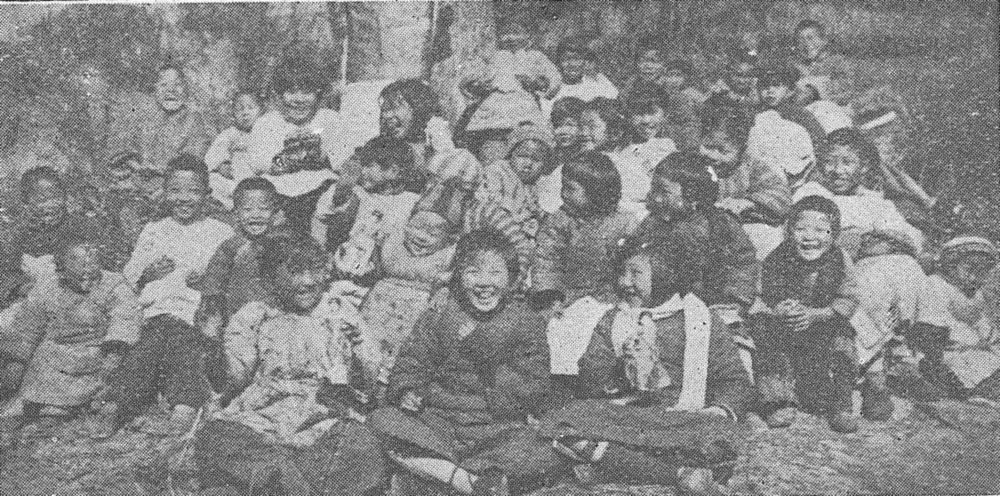
Writing in 1934, Kenneth Maclennan of the Conference of British Missionary Societies described visiting two of her Sunday schools. A good Sunday school, he said, needed one genius and a few helpers:
“Miss Woods impersonated the genius and rose absolutely to the part.”28
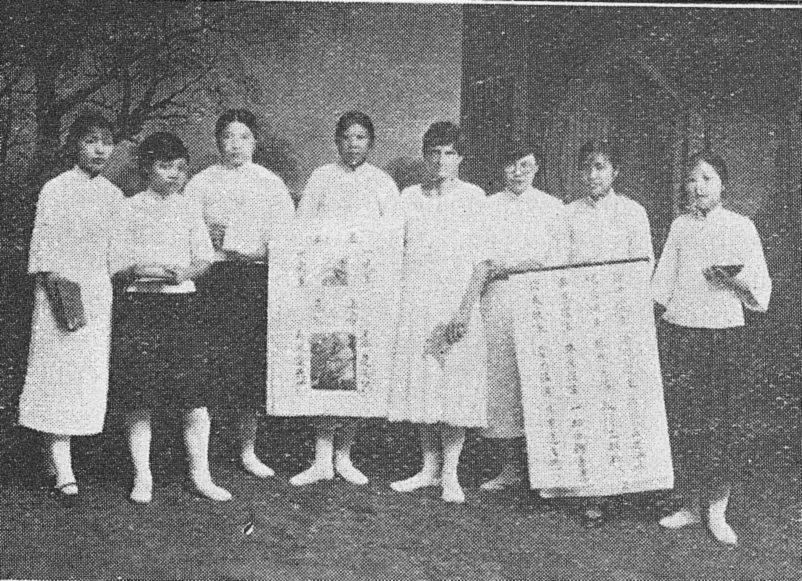
By 1935 she was also working with girls employed in factories.29 That year she was walking twenty to thirty miles a day on rough roads to reach the villages.30
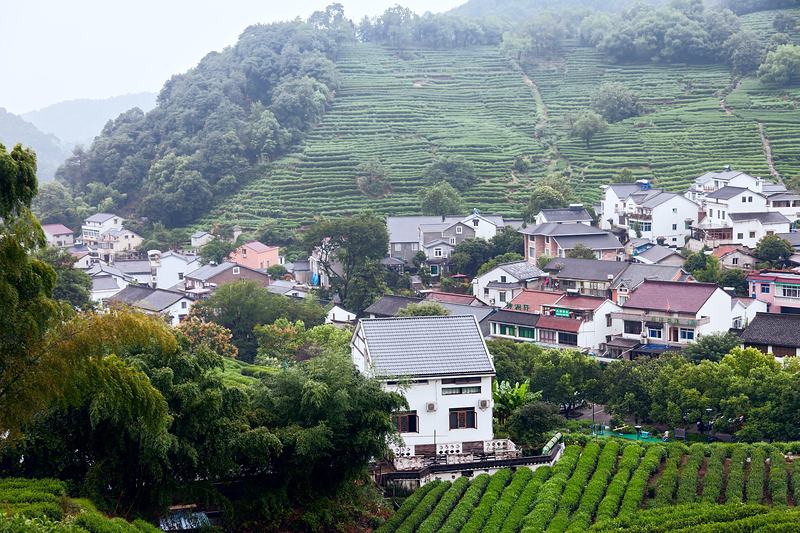
Dr Stephen Sturton of the mission hospital later estimated that about ten thousand people were attending her Sunday schools at one time.31
In a 1937 essay, Margaret described how the Sunday-school network worked. Classes met in courtyards and beside roads when there was no building. Her Hangzhou headquarters prepared teaching notes and pictures, while older pupils were trained to lead classes in their home communities during school holidays.
Her helpers included a bank worker, a rickshaw puller and a girl who sold things in the streets. When a group of women and girls, including former pupils now working in factories, asked for classes of their own, night classes were started.32

The war
1937–1945
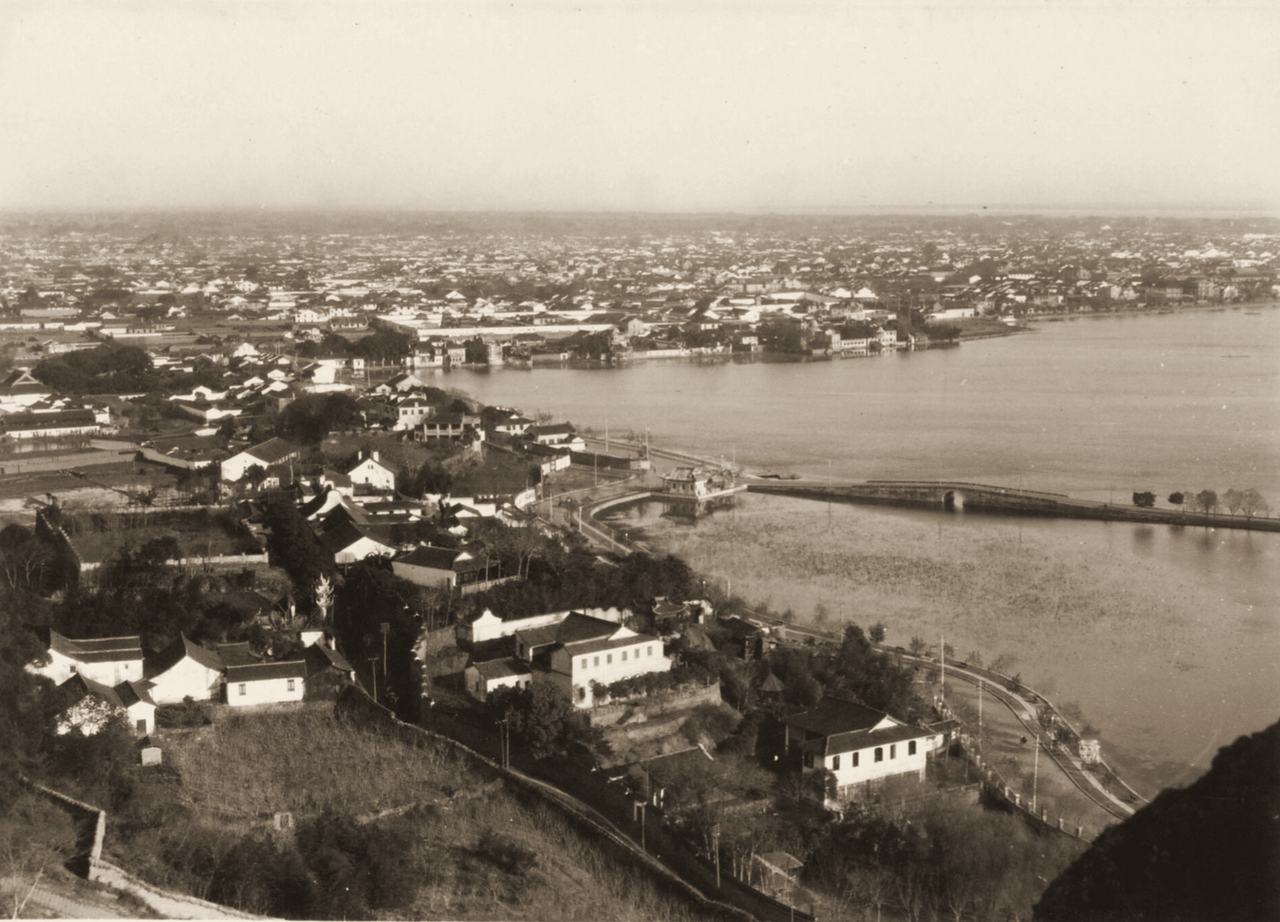
The Broken Bridge and the city, 1931. Ajia Taikan.
Japanese troops took Hangzhou on 24 December 1937.33 Thirteen-year-old Zhou Shigao (周时高) and his family climbed a ladder into Margaret’s school and sheltered there for about two months. Zhou remembered that Margaret spoke very good Chinese.34
Margaret was one of forty-two Westerners recorded as still living in Hangzhou on 20 January 1938.35
A letter dated 27 January 1938, probably written by Bishop John Curtis, reported that “Miss Woods and her helpers were continually rescuing women and girls”. Classes continued at the kindergarten, primary and middle schools, and the Bible school for women. The writer described the compound:
“it was an oasis of order in a very disorderly world.”36
Zhou recalled that in 1938 Margaret and the Rev. W. R. O. Taylor ran a school where pupils studied for half the day and worked for the other half, making handbags and embroidery for export.37
On 30 July 1938 Japanese military police surrounded the hospital and placed machine guns at its four corners. They took away about a hundred Chinese soldiers who were recovering there.38
By 1940 about five hundred pupils were being fed and taught in the Mary Vaughan school buildings. They also made lampshades, bookmarks and leather purses.39
Early that year she wrote home that the need “grows greater day by day. Prices have soared.” With the letter she sent snapshots of “my faithful band” and of her boy helpers.40
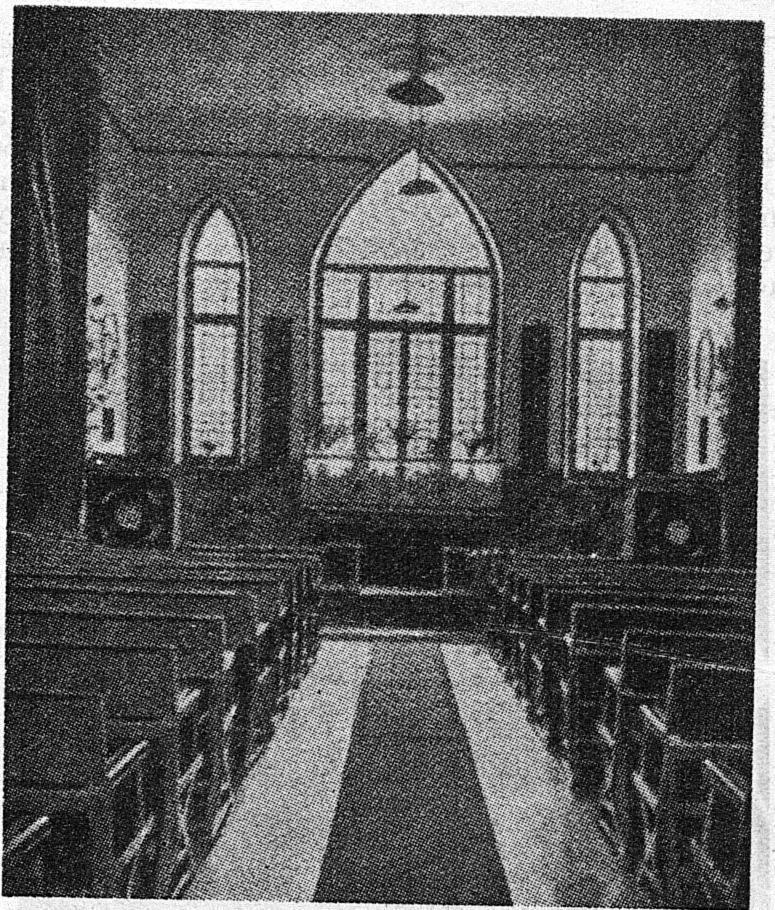
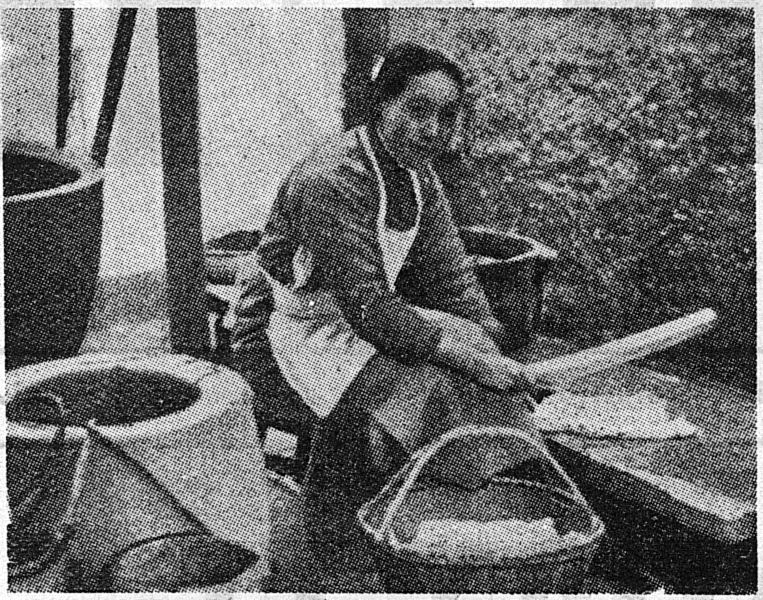
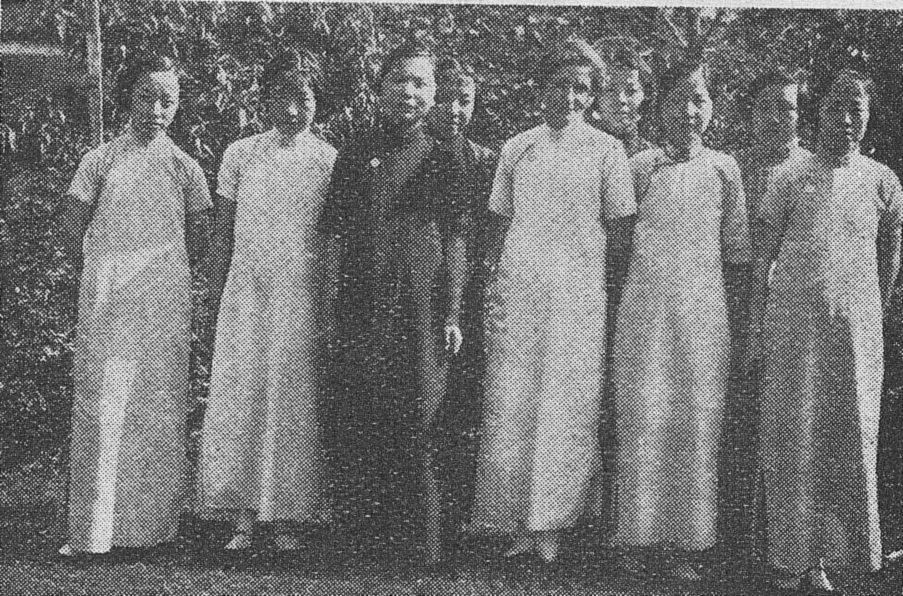
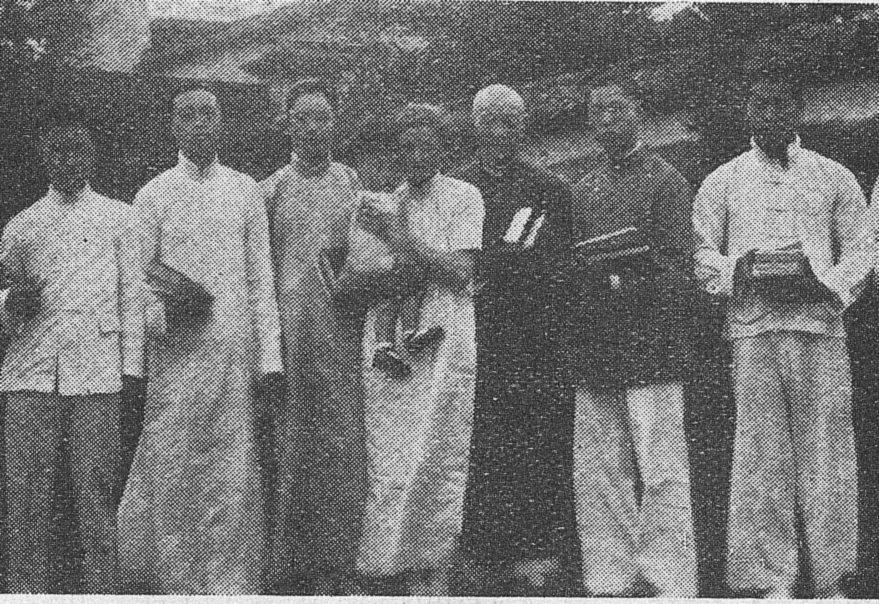
In the autumn of 1940 the Rev. S. K. Sien, a local Chinese pastor, and Taylor conducted a funeral at the Anglican cemetery outside Hangzhou. As they were leaving, men in a bamboo grove seized Sien. Taylor refused to leave him.
When the news reached the hospital, Margaret suggested that she and Dr Sturton should “follow the supposed bandits and try to get the captives released”. They drove as close as they could.
Sturton left a note with their driver to take back to the city if they had not returned in four hours. Then, he wrote, “Margaret Woods … strode off through the bamboos, with me in tow”.
They found the place where the men had been held. The cemetery’s caretaker told them both had been released and returned to Hangzhou. Chinese nationalist guerrillas had seized the pastor by mistake.41
By early 1941 Margaret was back in New Zealand on leave.42
During that visit, she described meeting a Japanese general. Japanese forces had taken over the hospital and ordered more than a thousand refugees to leave. She appealed to the general to stop the eviction.
The general came to see for himself. In Margaret’s account, the older people hid while the children lined up and saluted him.
After visiting their classes and chapel, he told Margaret: “Carry on, and I will help you all I can.”43
In August 1941 she was asked to return to Hangzhou early, “now that her health is fully restored”. She sailed in the first week of September.44
The Japanese had promised to leave the hospital alone. Margaret joined its staff full time while continuing her other work. She stayed in Hangzhou when most British subjects were sent home in the summer of 1942.47
Before leaving for England with his family in August 1942, Taylor wrote of her:
“She is, as you know, a person of tremendous reserve and resource, quite tireless, and a great strength to everybody.”48
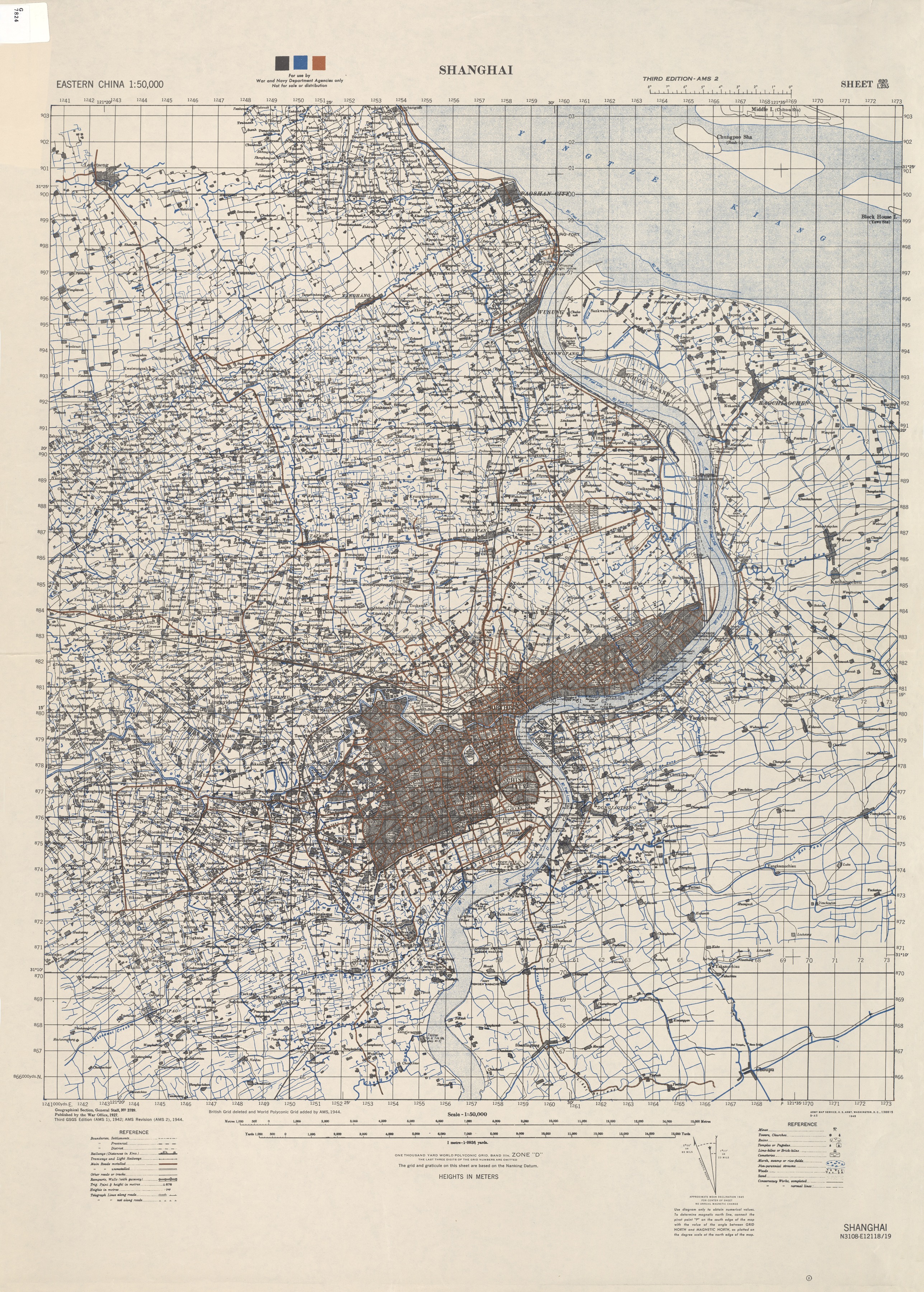
In April 1943 Margaret, Dr Haddow and Nurse Bargrove were taken to Lunghwa Civil Assembly Centre, a camp for Allied civilians southwest of central Shanghai.49
The camp occupied a former Chinese boarding school that had been bombed in 1937. About 1,800 people lived in wooden huts and school buildings, surrounded by creeks and rice fields.50
Shanghai and Lunghwa
The former camp site today
Explore the places on OpenStreetMap.
Wartime Shanghai
 Enlarge map
The internees ran the kitchens, cleaned drains and maintained the camp. Each was expected to contribute four hours of work a day. Mary Pearson, who worked on a vegetable team, described rotten produce and stew containing less than half an ounce of onion per person.
Two internees who worked in the dispensary reported that 762 people contracted malaria, many with repeated attacks.52
The camp had a school for about three hundred children and a church established in its first week. According to the mission’s history, Margaret taught religion in the day school and helped with Sunday school. Dr Haddow and Nurse Bargrove provided medical care.53
In October 1943 the mission appealed for food parcels for Margaret, Dr Phyllis Haddow, Nurse Violet Bargrove and Stella Purchas. A small parcel cost five hundred dollars.
The following month, a Red Cross list published in her home newspaper named her brother, W. T. Woods of Christchurch, as her next of kin.54
A Japanese camp register dated 30 September 1944 counts 1,756 internees. It lists Margaret among eleven New Zealanders: “WOODS N. 54 F Missionary”.55
On 15 August 1945 the prisoners were told: “The War is over”. Margaret’s internment ended that month. That October, New Zealand newspapers reported that “Miss M. Woods (Christchurch)” was safe.56
J. G. Ballard was a child in the same camp. His 1984 novel Empire of the Sun drew on his time there. Steven Spielberg’s film adaptation followed in 1987.57


After the war
1945–1951
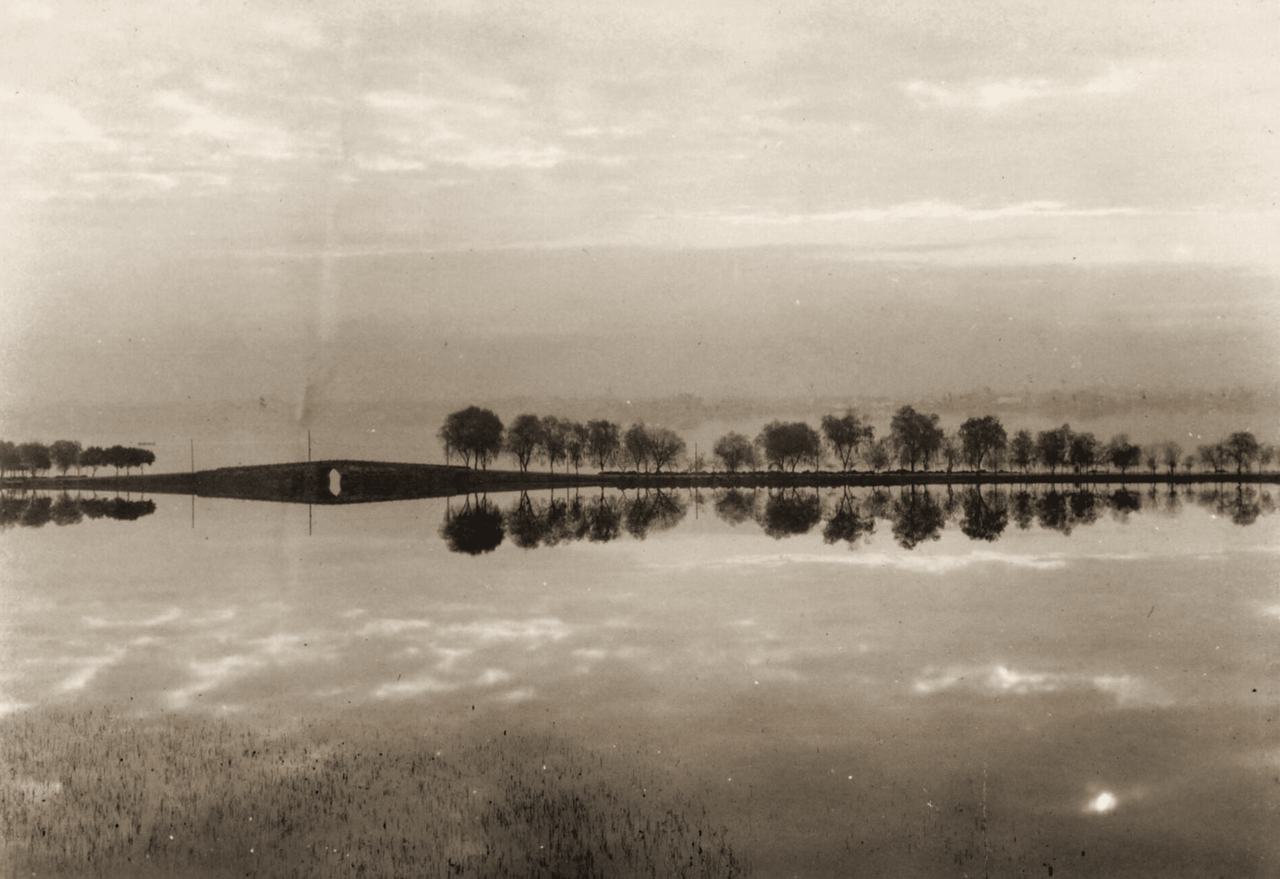
Morning on the Bai Causeway, West Lake, 1930. Ajia Taikan.
After her release in 1945, Margaret returned to Hangzhou with Dr Phyllis Haddow to reclaim the mission buildings. She chose to go back to work rather than take leave.58
According to the mission’s history, she cared for two hundred orphans and provided daily meals for three hundred more.59 She also built a children’s church from materials salvaged from the hospital.60
Back to Hangzhou
Hangzhou and Shanghai today
Explore the places on OpenStreetMap.
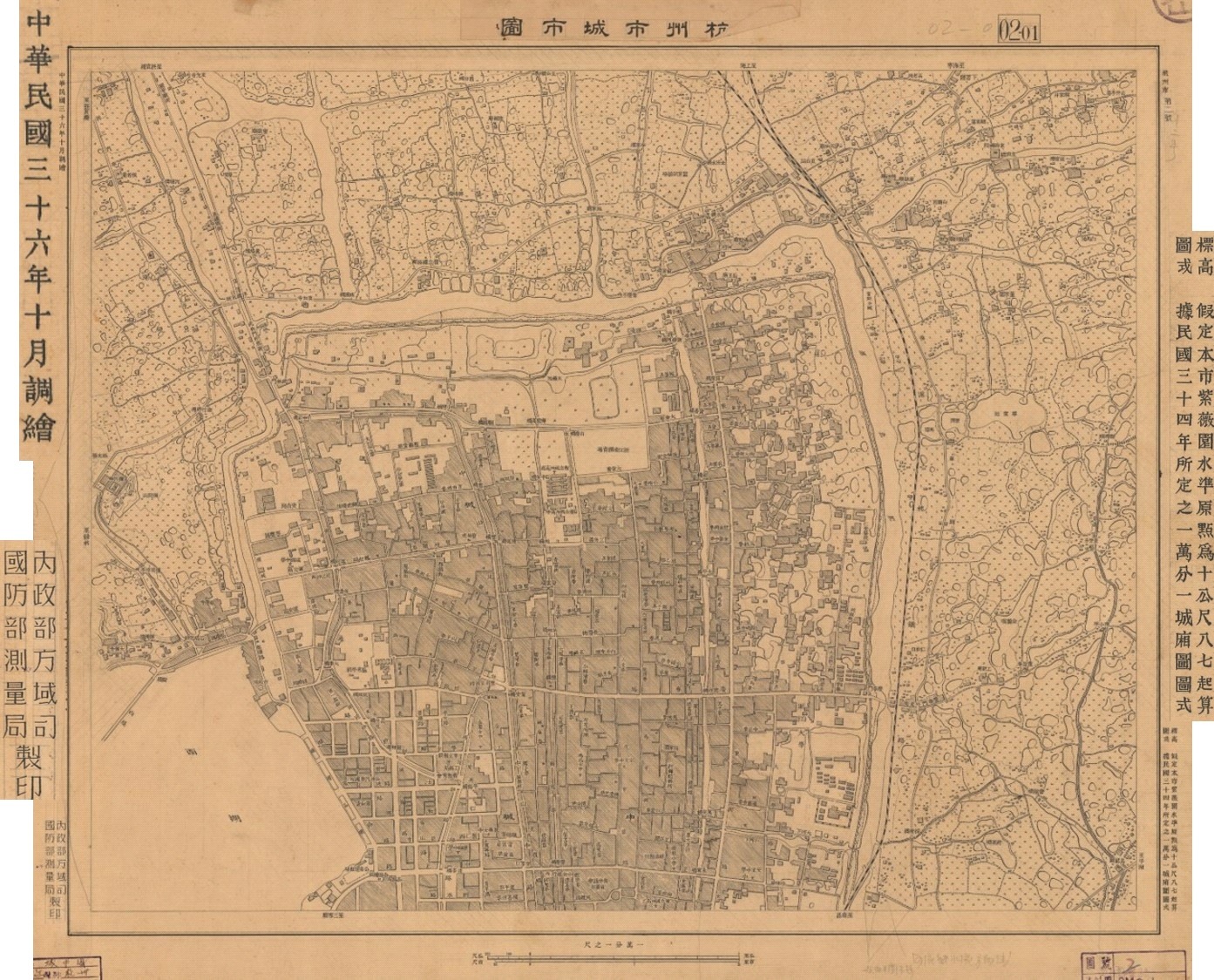
The city after the war
 Enlarge map

In 1950, a year after the Communist army reached Hangzhou, she was still training Sunday-school teachers across the diocese. A church report said that “all youth work is under her supervision”.61
The Church Missionary Society withdrew its staff from China in 1951. Margaret handed over to young Chinese women she had trained and returned to New Zealand with Dr Haddow that July.62

India
1952–1963
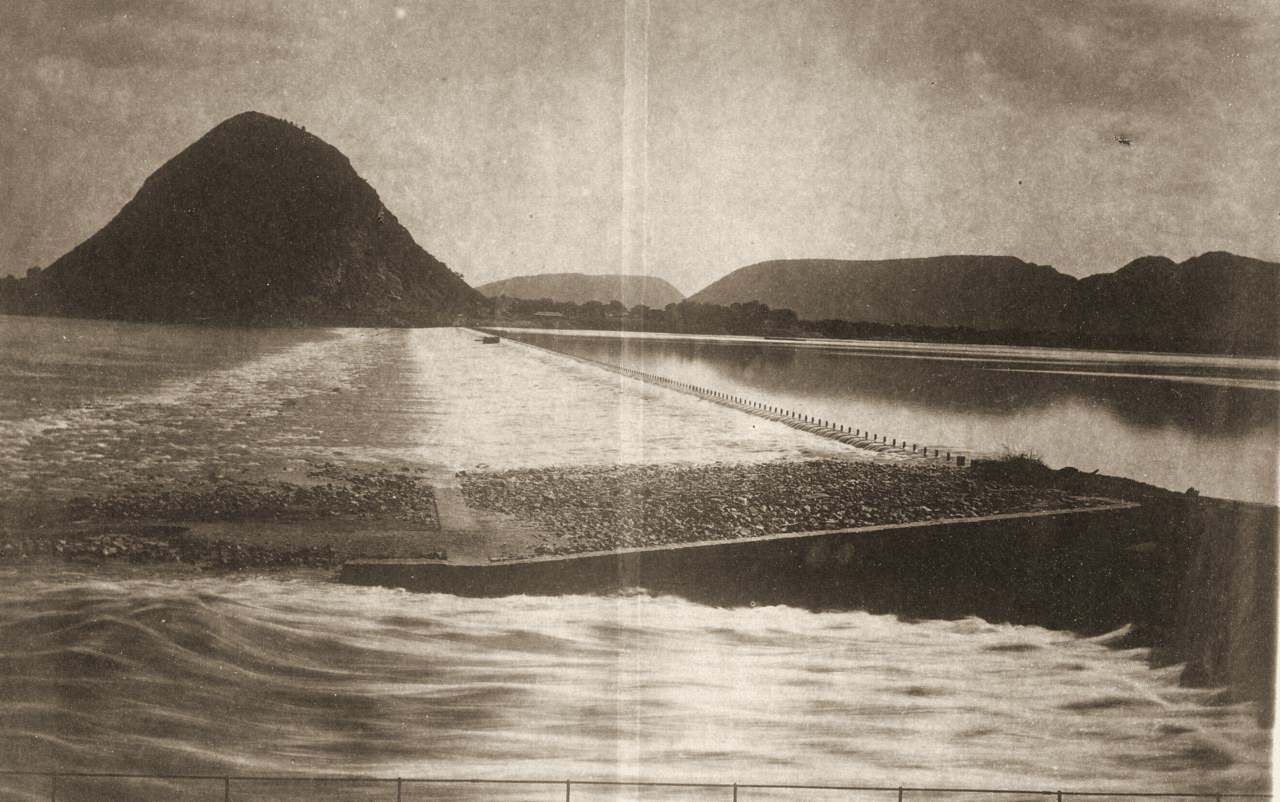
The dam across the Krishna at Bezwada (Vijayawada), 1898. Nicholas & Co., Rijksmuseum.
Margaret spent much of 1952 travelling around New Zealand giving talks about China.63 On 17 October she sailed on the Monowai for South India.
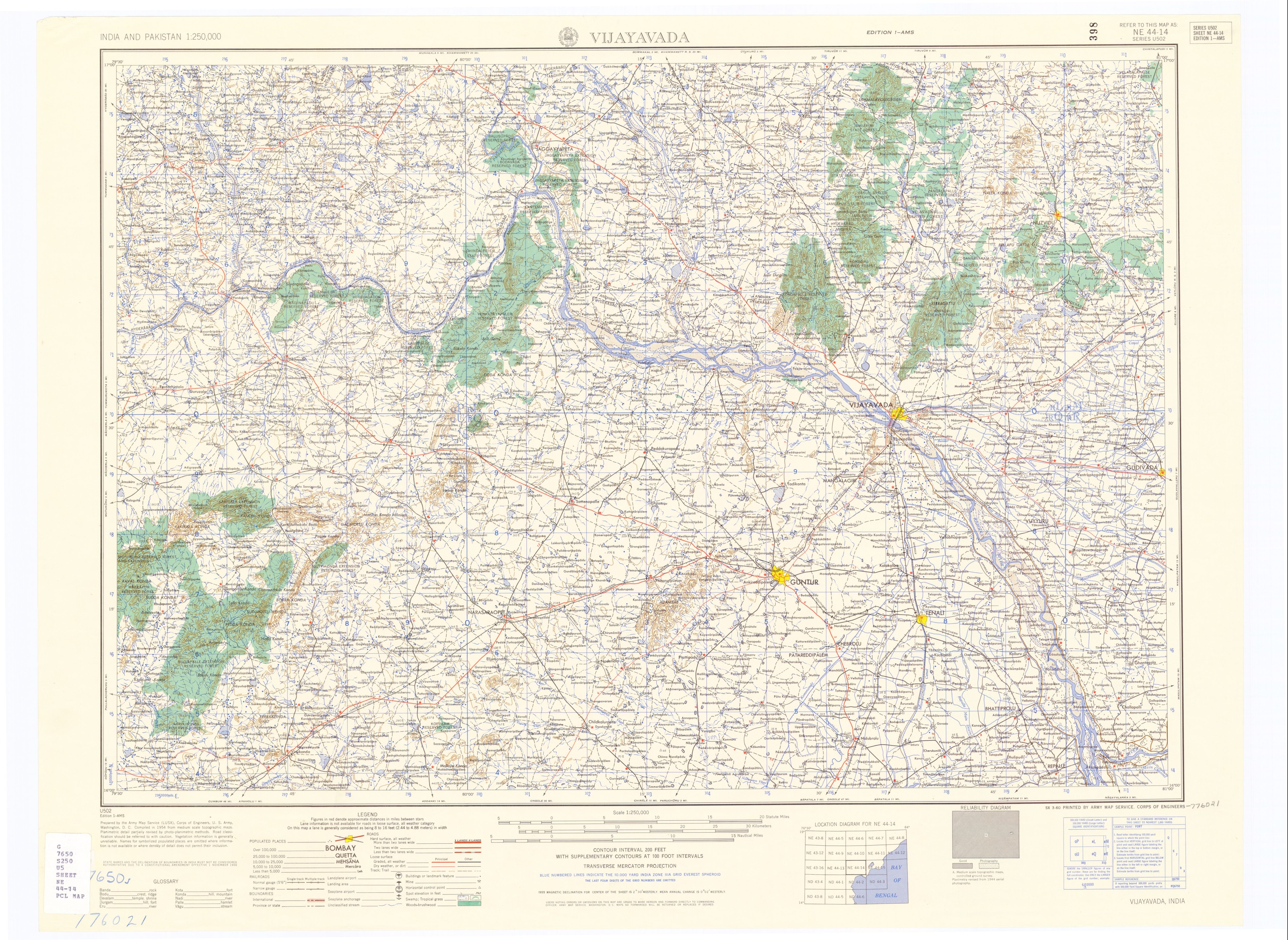
She arrived in Vijayawada, then called Bezwada, on 18 November 1952. She worked with Mollie Mullan at Bishop Azariah Girls’ High School and its teacher-training college.64 Mullan wrote: “I don’t know what we should do without her.”65
The Krishna and the Godavari
Vijayawada and Dummagudem today
Explore the places on OpenStreetMap.
Vijayawada and the Krishna
 Enlarge map
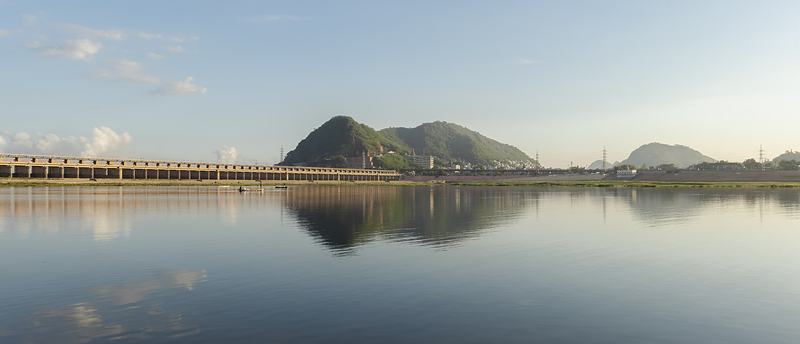
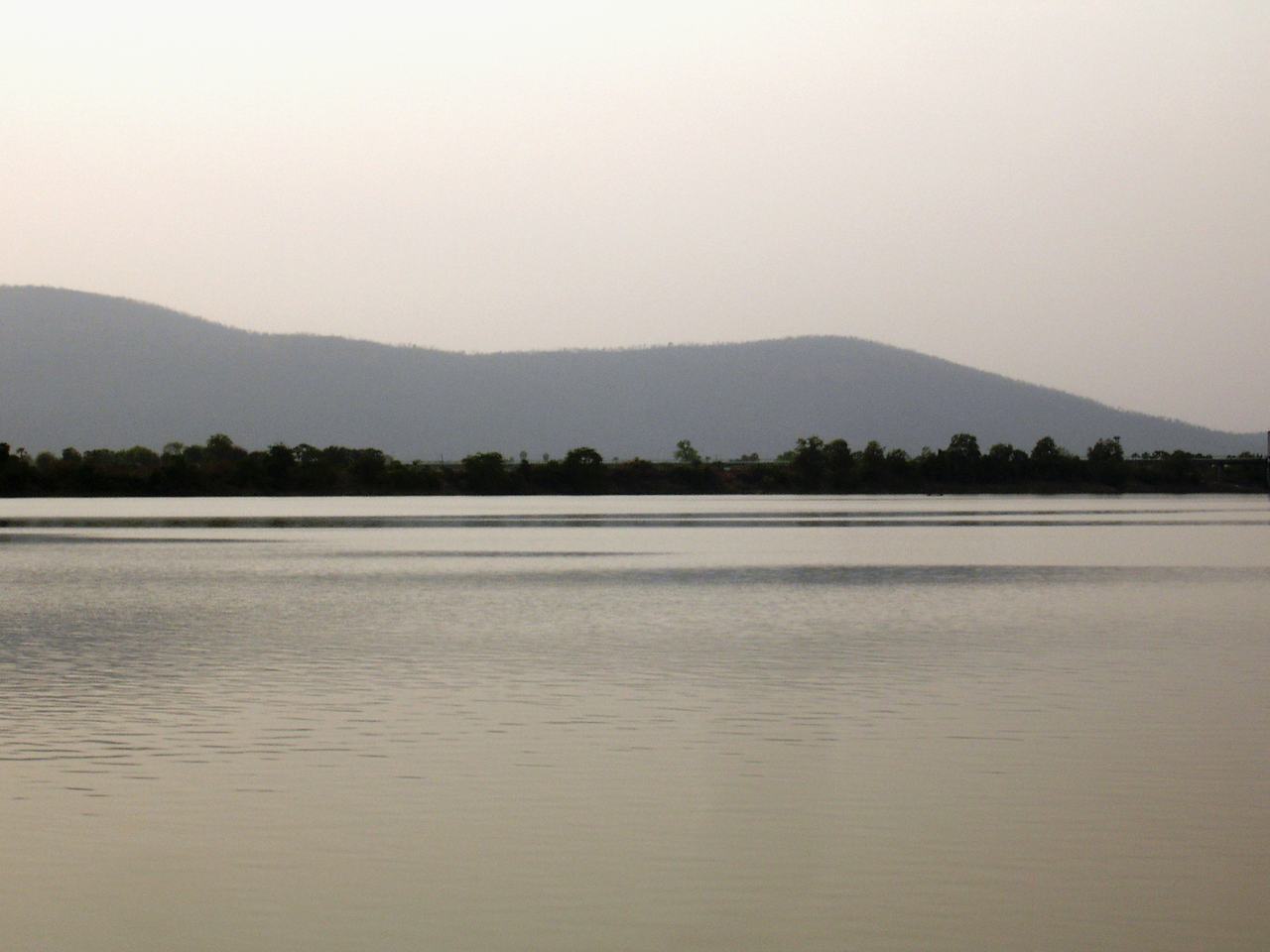
The Godavari at Dummugudem, 2007. Photo: Adityamadhav83.
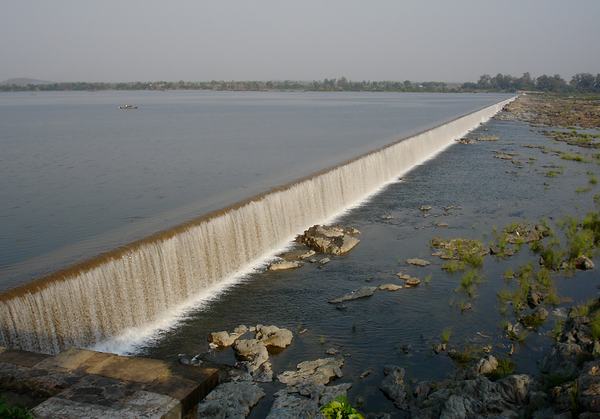
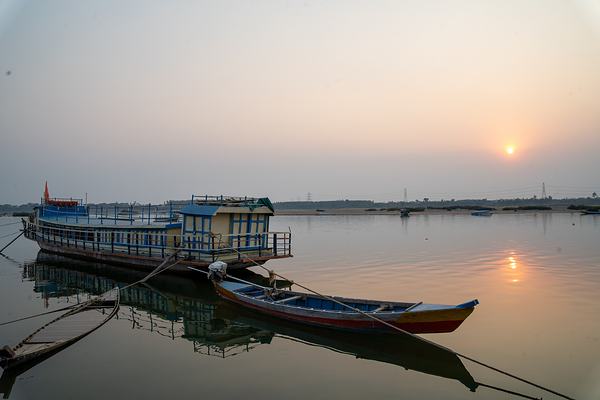
By 1956 Margaret was working at Dummagudem, on the Godavari River, at what the Church Missionary Society called “the Koi Mission”.66 According to the mission’s history, she took charge of the station while other missionaries were on leave, allowing it to stay open.67
In July that year, she wrote from the mission compound asking for magazines for local Indian clergy.68
The mission’s history credits her with starting Sunday schools, helping revive local lace-making and working with tribal communities in the surrounding hills.69


The Koya, also called Koi, are an Indigenous people of the hills and plains along the Godavari. Their communities extend across what are now Telangana, Andhra Pradesh, Chhattisgarh and Odisha. Their language is related to Gondi. Around Dummagudem in the early 1960s, most Koya men also spoke Telugu.70
Families lived in small hamlets. They grew millet, pulses and, where water was available, rice. They also kept cattle and goats and gathered food from the forest. In the hills, they cleared land for farming and let it return to forest after two or three years.
Koya society has five main clan groups, with people marrying outside their own group. Village and clan deities, seed and harvest festivals, and the Sammakka–Saralamma fair at Medaram are part of their religious life. The fair takes place every two years.71
Koya communities were losing land along the river to settlers from the plains.72 By the 1960s, Christian Koya communities lived in villages near Dummagudem.73
The 1961 census counted 150,209 Koya in Khammam district, which included Dummagudem.74
In 1962–63 the American anthropologist Stephen Tyler studied the Koya language near Dummagudem. His later grammar thanked Margaret for help finding assistants, housing and food.75
According to the mission’s history, Margaret returned to New Zealand at the end of 1963 because of ill health. She left “most reluctantly”.76
Whanganui
1964–1982
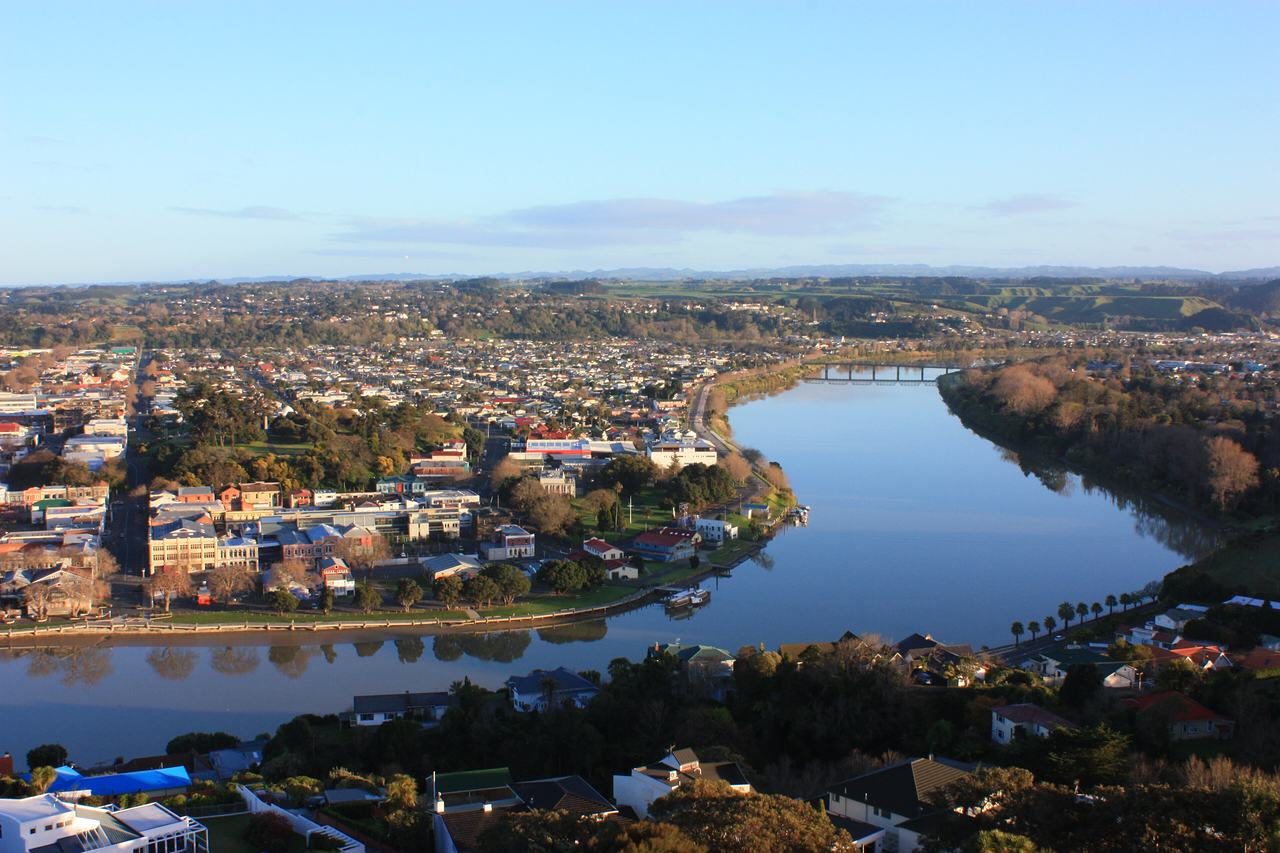
The Whanganui River from Durie Hill, 2009. Photo: Ang Wickham.
She was back in New Zealand by February 1964. At Easter that year she was described as having been “on the mission field for 42 years”.77
By mid-1964 she was working with the Māori Pastorate at Putiki, in Whanganui, where she was known as Sister Margaret. From 1967 she helped in the parish at Castlecliff.
Whanganui, Putiki and Castlecliff
Whanganui today
Explore the places on OpenStreetMap.
Wanganui during her retirement
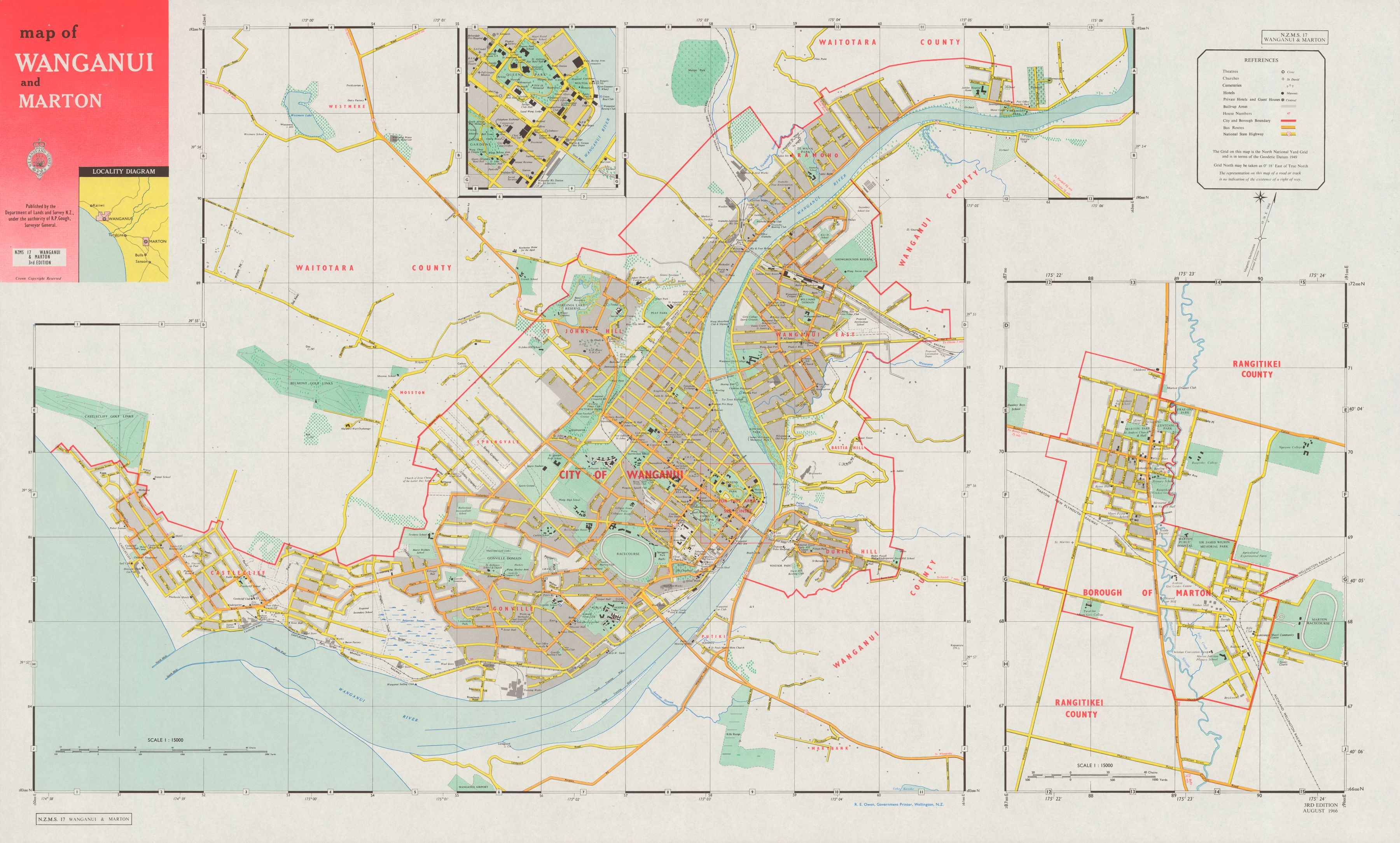 Enlarge map
In 1969 she took part in the Board of Missions’ jubilee procession in Wellington.78
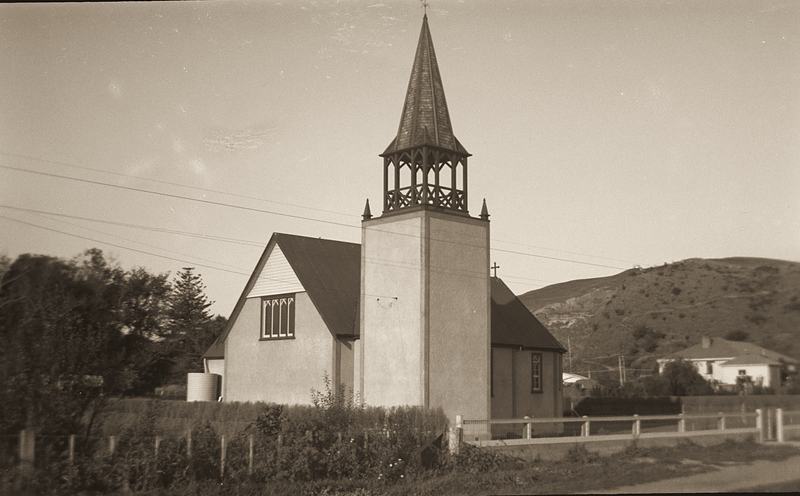
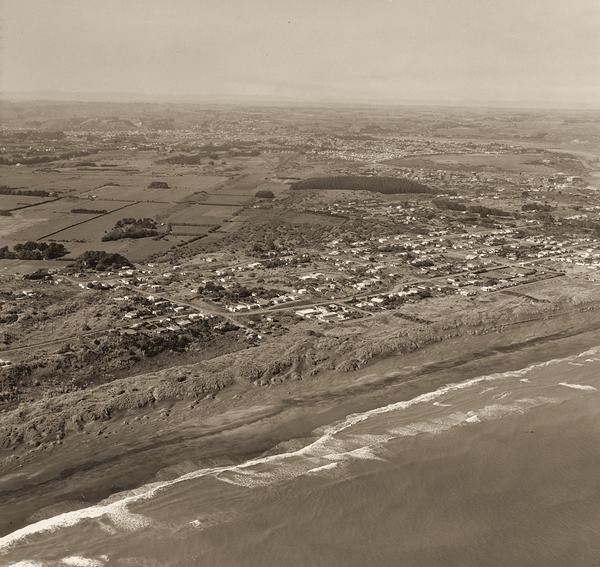
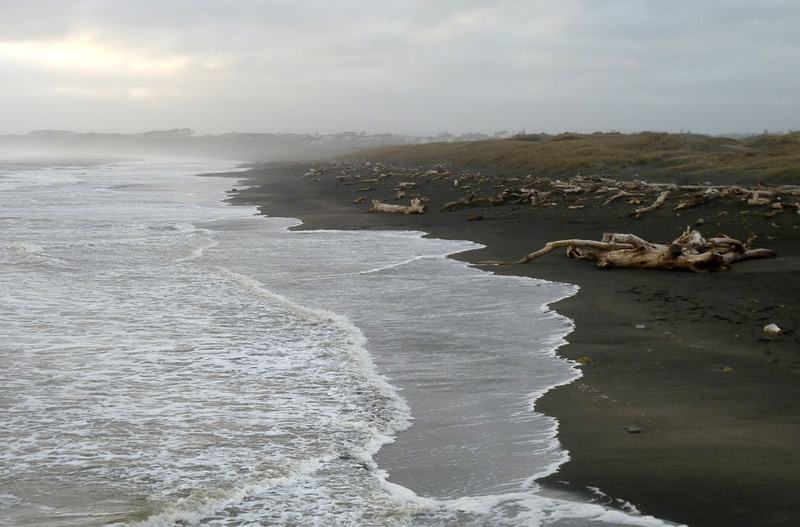

She died in 1982.79
In 2015, Zhou Shigao, the boy who had sheltered at her school in 1937, told the Hangzhou Daily about his family’s stay. He was ninety-one. The newspaper named Margaret and the Rev. W. R. O. Taylor among Hangzhou’s “Schindlers”.80
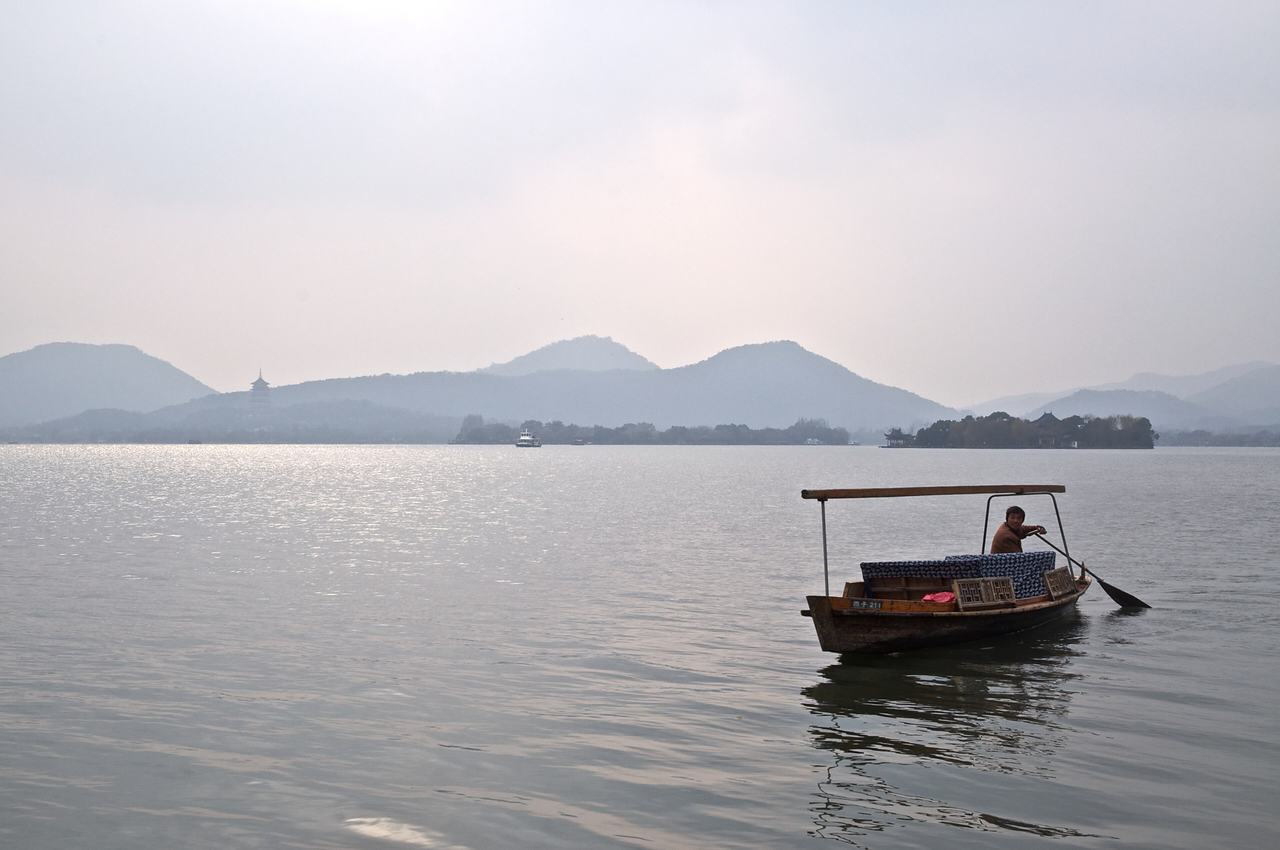
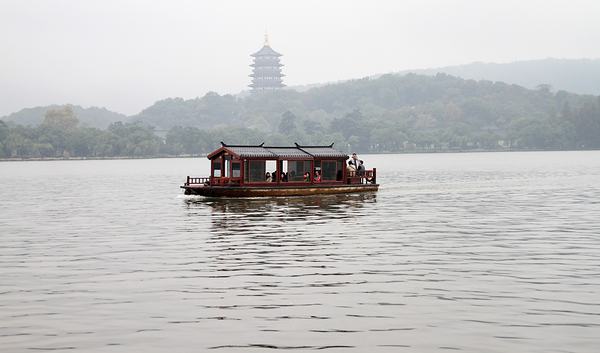
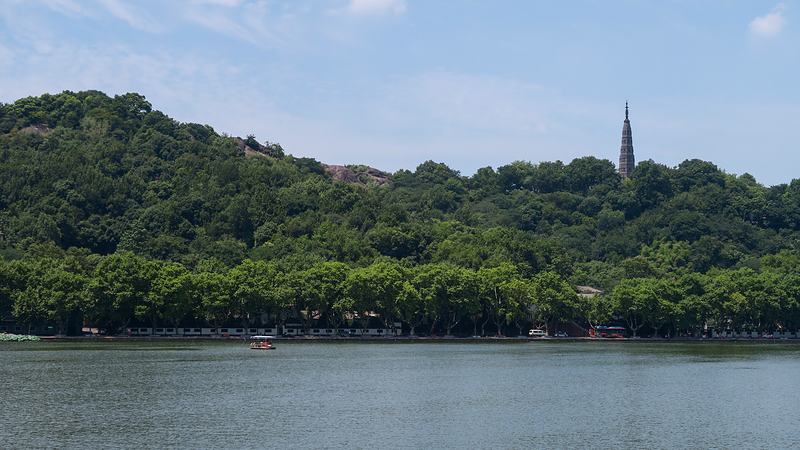
West Lake, 2010. Photo: Ludger Heide.
I’m still looking for her letters, photographs from India and her burial place. I’d also like to identify the other woman in the family photograph.
If you or your family knew Margaret in China, India or Whanganui, you can contact me on LinkedIn. I’d be grateful for any letters, photographs or memories.
如果您或您的家人认识吴慈(Margaret Woods),或了解杭州冯氏女中的往事,欢迎与我联系。
Notes
- Sylvia Yang Yuan, "'Kiwis' in the Middle Kingdom: A Sociological Interpretation of the History of New Zealand Missionaries in China from 1877 to 1953 and Beyond" (PhD thesis, Massey University, 2013), 472–73, hdl.handle.net/10179/4869; 郑莉娜, 《这些战火中伸出的援手 给老百姓带来了生的希望》, 杭州日报, 23 June 2015, hznews.hangzhou.com.cn/xinzheng/yaolan/content/2015-06/23/content_5818271.htm. ↩
- NZEF record 8/958, William Trickey Woods, next of kin "Sister, Miss M Woods," UNSW Canberra NZEF Project, nzef.adfa.edu.au/showPerson?pid=281188; "Prisoners of Japan," Evening Post (Wellington), 9 November 1943, paperspast.natlib.govt.nz/newspapers/EP19431109.2.51 ("brother, Mr W. T. Woods, Christchurch"). She is the elder: William's birth was registered in the June quarter of 1892 (General Register Office, England and Wales, birth index, Westbury district, 1892 Q2, vol. 5a, p. 133, via FreeBMD, freebmd.org.uk/). The descent from William to the author is family knowledge. ↩
- 郑莉娜, 《这些战火中伸出的援手 给老百姓带来了生的希望》, Hangzhou Daily, 23 June 2015. The article includes 吴慈 (Miss Margaret Wood) among the people it calls 杭州的“辛德勒” (Hangzhou’s “Schindlers”), and records former pupil Zhou Shigao’s account of her school and relief work. This is the newspaper’s retrospective comparison. English translation of the quoted phrase: machine translation, unchecked. ↩
- Arrival at Shanghai: Chinese Recorder 52, no. 1 (January 1921), "Missionary Journal," archive.org/details/sim_chinese-recorder-and-missionary-journal_the-chinese-recorder_1921-01_52_1. Return in July 1951: NZCMS annual report, The Reaper, November 1951, 6, kinderlibrary.recollect.co.nz/nodes/view/7828. Internment April 1943 – August 1945: ChinaFamilies civilian internee database, record 5309, "Woods, Margaret," University of Bristol, chinafamilies.net/internees/5309-woods-margaret/; "Prisoners of Japan." Sailed for India 17 October 1952, aged 62 (born 1 September 1890: see the note on her birth): Church & People, November 1952, 4, kinderlibrary.recollect.co.nz/nodes/view/255. End of 1963: Kenneth Gregory, Stretching Out Continually: Whaatoro Tonu Atu; A History of the New Zealand Church Missionary Society 1892–1972 (Christchurch: NZCMS, 1972), 164, archive.org/details/stretching-out-continually-1972. Whanganui: Year Book of the Diocese of Christchurch 1964, 33, kinderlibrary.recollect.co.nz/nodes/view/13842; Church & People, 21 March 1969, 3, kinderlibrary.recollect.co.nz/nodes/view/376; Church & People, 5 September 1969, 5, kinderlibrary.recollect.co.nz/nodes/view/397. The year 1963 rests on Gregory; see the note on her return. ↩
- "Hangchow Westerners" (Japanese Embassy spokesman's list), North China Daily News, 20 January 1938, archive.org/details/unl_ncdn_1938012001; "Prisoners of Japan" (Red Cross list); 郑莉娜, 《这些战火中伸出的援手》. The list of 1938 is a Japanese list as printed in a Shanghai English paper. ↩
- 郑莉娜, 《这些战火中伸出的援手》 (recollection of 周时高; machine translation, unchecked). The suggested link between 吴 and "Woods" is the author's; the origin of the name is not recorded. ↩
- "Women in Print," Evening Post, 18 September 1920, paperspast.natlib.govt.nz/newspapers/EP19200918.2.100 ("Miss M. Woods"); Chinese Recorder, January 1921; 郑莉娜, 《这些战火中伸出的援手》 ("Miss Margaret Wood"); 《六十三年与王明道窄路同行》, 34–35, archive.org/details/20250731_20250731_0201 ("Miss Wood"); Church & People, 21 March 1969, 3 ("Sister Margaret Woods"); Gregory, Stretching Out Continually, 164 ("Sister Margaret"). “Sister Margaret” is documented for 1969–72. ↩
- General Register Office, birth index, Westbury district, Wiltshire, 1890 Q4, vol. 5a, p. 125, Ellen Margaret Woods, via FreeBMD. The identification is an inference: it is the only Margaret born in the family's district in the right quarter. The New Zealand index gives only "Margaret". ↩
- New Zealand Births, Deaths and Marriages, historical records index, death registration 1982/30983, "Woods, Margaret," date of birth 1 September 1890, bdmhistoricalrecords.dia.govt.nz/; GRO birth index, Westbury, 1890 Q4. Probable, not proven: a death printout or birth certificate would settle it. ↩
- GRO birth index via FreeBMD: William Trickey, Westbury, 1892 Q2; Ivor Jack, Westbury, 1895 Q2; Edwin George, Winchester, 1897 Q3; New Zealand BDM historical index, deaths 1983/38088 (Ivor Jack Woods, b. 27 February 1895) and 1981/45426 (Edwin George Woods, b. 28 June 1897). William's NZEF record gives his birth as 1890, which conflicts with the 1892 registration and his age at death; the registration is preferred. ↩
- Inferred: Edwin was born in Winchester in 1897 (GRO index); William served four years in a Wiltshire territorial unit before enlisting in New Zealand in August 1914 (NZEF record 8/958); the probable mother died at Keynsham in 1908 (GRO death index, 1908 Q4, vol. 5c, p. 348). No passenger list has been found. Yuan describes her as growing up in Christchurch, but the source she cites gives only "Christchurch (b. England)": Yuan, "'Kiwis' in the Middle Kingdom," 472–73. Her source, Hugh D. Morrison, "'It Is Our Bounden Duty': The Emergence of the New Zealand Protestant Missionary Movement, 1868–1926" (PhD thesis, Massey University, 2004), app. 6, hdl.handle.net/10179/1869, says only "Christchurch (b. England)". For the records, see the notes on her birth and brothers. ↩
- NZEF records 8/958 (William), nzef.adfa.edu.au/showPerson?pid=281188; 6/1436 (Ivor), nzef.adfa.edu.au/showPerson?pid=281055; 25/366 (Edwin), nzef.adfa.edu.au/showPerson?pid=281002; "Roll of Honour," Evening Post, 17 May 1915, paperspast.natlib.govt.nz/newspapers/EP19150517.2.8; "Roll of Honour," Evening Post, 19 June 1915, paperspast.natlib.govt.nz/newspapers/EP19150619.2.72; Online Cenotaph, William Trickey Woods, Auckland War Memorial Museum, aucklandmuseum.com/war-memorial/online-cenotaph/record/C59142. The 1915 notices give "5 Huxley-street, Sydenham", c/o Mrs Findley. ↩
- “Roll of Honour,” Evening Post, 10 August 1916, paperspast.natlib.govt.nz/newspapers/EP19160810.2.79 (Edwin wounded 29 July 1916); NZEF record 8/958, William Trickey Woods, nzef.adfa.edu.au/showPerson?pid=281188 (discharged 2 October 1916). ↩
- C.M.S. annual meeting, Church News, April 1919, 5, kinderlibrary.recollect.co.nz/nodes/view/8464. The OCR dates the meeting "Monday, April 3", which does not fit 1919; the page image has not been checked. The acceptance was reported again in "N.Z. Church Missionary Society," Colonist (Nelson), 21 April 1920, paperspast.natlib.govt.nz/newspapers/TC19200421.2.45.54. ↩
- “The Empire’s Call,” subsection “Blind, but Cheerful,” Otago Witness, 6 September 1916, paperspast.natlib.govt.nz/newspapers/OW19160906.2.42. The report dates the injury to about 10 May 1915 and records his return on the Arawa. Online Cenotaph, William Trickey Woods, also records total blindness, citing a 1920 army list not inspected directly. The NZEF compilation lists a chest wound; the original personnel file has not been checked to reconcile the injury descriptions. ↩
- “Woman’s World,” subsection “Lady Pearson Meets Blind Soldiers,” Gisborne Times, 24 February 1927, paperspast.natlib.govt.nz/newspapers/GIST19270224.2.15; “Honours List,” Ashburton Guardian, 2 January 1948, paperspast.natlib.govt.nz/newspapers/AG19480102.2.63; “New Year Honours List,” New Zealand Gazette, no. 3, 15 January 1948, 41, nzlii.org/nz/other/nz_gazette/1948/3.pdf. The 1927 report identifies W. T. Woods as president of St Dunstan’s New Zealand branch; his full term remains unverified. The two newspaper reports were read through indexed OCR. The Gazette names William Trickey Woods of Christchurch in the civil MBE list. ↩
- Advertisement, Evening Post, 14 August 1920, 7, paperspast.natlib.govt.nz/newspapers/EP19200814.2.93.4; "Women in Print," Evening Post, 14 August 1920, paperspast.natlib.govt.nz/newspapers/EP19200814.2.106. Both announce the service in advance; no report of the service itself has been found. See also Church News, December 1920, 8, kinderlibrary.recollect.co.nz/nodes/view/8488 ("the sending forth by the Board of its first missionary"), and Proceedings of the Church Missionary Society for 1920–21, archive.org/details/per_proceedings-church-missionary-soc-for-africa-a_1921_ia40329919-30, which shows that the CMS still chose and maintained her. ↩
- Church News, 1 October 1920, 10 (farewell service at St Saviour's on the Sunday evening before 13 September 1920); "Women in Print," Evening Post, 18 September 1920 ("is leaving by the Moeraki"); Chinese Recorder, January 1921 ("26th, from New Zealand, Miss M. Woods, C.M.S."); North-China Herald, 4 December 1920, passenger list, archive.org/details/north-china-herald-1920.12.04. ↩
- Arrival in China in November 1920: Church News, 1 October 1920, 10 (farewell service at St Saviour's on the Sunday evening before 13 September 1920); "Women in Print," Evening Post, 18 September 1920 ("is leaving by the Moeraki"); Chinese Recorder, January 1921 ("26th, from New Zealand, Miss M. Woods, C.M.S."); North-China Herald, 4 December 1920, passenger list, archive.org/details/north-china-herald-1920.12.04. Teaching appointment: Gregory, Stretching Out Continually, 51 ("posted as a teacher to Hangchow"); The Reaper, June 1925, 6, kinderlibrary.recollect.co.nz/nodes/view/7604; "Miss Woods," The Reaper, 15 August 1925, 4–5, kinderlibrary.recollect.co.nz/nodes/view/7606; 陈伟, 《杭州基督教历史文化图文集》 (2020), 49–52, sichengtang.com/uploads/files/20221023/3bd8eb65d4aa916fef2369a6e6ef1e5e.pdf (冯氏女中). ↩
- "Miss Woods Recalled to China," The Reaper, October 1941, 5, kinderlibrary.recollect.co.nz/nodes/view/7773. An editorial report of her own talks: it records what she said, not an independent account. ↩
- Gregory, Stretching Out Continually, 54. Only the mission's history gives these words; Gregory's sources are the CMS Annual Report for 1924 and the C.M. Outlook of August 1925. ↩
- 陈伟, 杭州基督教历史文化图文集 (Hangzhou: Sicheng Church, 2017), 20, school history, places 冯氏女中 (Mary Vaughan School) on 紫金观巷, Zijinguan Lane. The dot marks the lane on OpenStreetMap. We haven’t confirmed the school’s exact position on it. ↩
- Gordon Hewitt, The Problems of Success: A History of the Church Missionary Society, 1910–1942, vol. 2 (London: SCM Press, 1977), 272, archive.org/details/probelmsofsucces0002gord, drawing on Thomas Gaunt's Chekiang mission report for 1929. ↩
- The Reaper, August 1934, 5, kinderlibrary.recollect.co.nz/nodes/view/7704 ("organising Sunday Schools and training teachers therefor"); S. D. Sturton, From Mission Hospital to Concentration Camp (London: Marshall, Morgan & Scott, 1948), 53, books.google.com/books?id=2X0mAQAAIAAJ ("training them to teach"); "C.M.S. Notes," Church News, July 1931, 7, kinderlibrary.recollect.co.nz/nodes/view/8620. ↩
- Church News, October 1932, 10, kinderlibrary.recollect.co.nz/nodes/view/8635 ("40 villages lately opened up"); Church News, March 1935, 7, kinderlibrary.recollect.co.nz/nodes/view/8664. Both paraphrase her letters. ↩
- "Six Years in China," Evening Post, 26 October 1932, paperspast.natlib.govt.nz/newspapers/EP19321026.2.131.2; Board of Missions annual report, The Reaper, 22 August 1933, 3–4, kinderlibrary.recollect.co.nz/nodes/view/7693 ("the whole of the South Island and parts of the North"); Church News, May–June 1933, 22–23, kinderlibrary.recollect.co.nz/nodes/view/8642 and kinderlibrary.recollect.co.nz/nodes/view/8643 (Phillipstown rally, 4 April 1933). ↩
- The Reaper, 22 July 1934, 1 (her letter: "A gift from N.Z. has enabled us to begin work among the ricksha men, a thing we have longed to do for years"); Church News, February 1934, 7, kinderlibrary.recollect.co.nz/nodes/view/8651 ("through gifts received in this Diocese"); Church News, October 1934, 7, kinderlibrary.recollect.co.nz/nodes/view/8659; Church News, March 1935, 7. ↩
- Kenneth Maclennan, letter, in "What Our Missionaries Are Doing," The Reaper, 22 October 1934, 3–4, kinderlibrary.recollect.co.nz/nodes/view/7706; also quoted in Gregory, Stretching Out Continually, 82–83. The letter does not date his visit; the year 1934 is the year it was printed. ↩
- Church News, October 1934, 7, kinderlibrary.recollect.co.nz/nodes/view/8659; Church News, March 1935, 7. Reports of her work with factory girls after the rickshaw mission. ↩
- Church News, March 1935, 7, kinderlibrary.recollect.co.nz/nodes/view/8664, paraphrasing her letter about walking twenty to thirty miles a day on rough roads. ↩
- Sturton, From Mission Hospital, 53 ("no fewer than ten thousand children and adults being taught simultaneously"). Read in snippet view only. Sturton is the only source for this figure. Other figures: more than a thousand children a week in 1929 (Hewitt, Problems of Success, 272); seventeen Sunday schools in and around Hangzhou, and many more in the country, in 1934 (Maclennan, Reaper, 22 October 1934). ↩
- Margaret Woods, “Young Life in the Church,” in Gwendolen R. Barclay and others, The Way of Partnership: With the C.M.S. in China (London: Church Missionary Society, 1937), 49–55, especially 50–53. Read the chapter. Woods describes roadside and courtyard classes and the training of boarding-school pupils for work in their home communities (p.50); teaching materials prepared at the Children’s Worship Institute in Hangchow (p.51); and the local helpers and request for women’s and girls’ night classes (p.52). This is her own account in a mission publication. The institute has not been identified with the institution in the 1942 Japanese survey. ↩
- 郑莉娜, 《这些战火中伸出的援手》 (24 December 1937); Bishop John Curtis to the NZCMS, 25 January 1941, in The Reaper, August 1941, 3, kinderlibrary.recollect.co.nz/nodes/view/7772 ("since we were 'occupied' in December, 1937"). ↩
- 郑莉娜, 《这些战火中伸出的援手》 (machine translation, unchecked). He was 91 in 2015, so about 13 in 1937. One eyewitness, recalling events 77 years later. The article calls Margaret and W. R. O. Taylor two of Hangzhou’s “Schindlers” (杭州辛德勒). ↩
- North China Daily News, 20 January 1938 ("Miss Margaret Woods" under British); reprinted in North-China Herald, 26 January 1938, archive.org/details/north-china-herald-1938.01.26. ↩
- Letter from Hangchow, 27 January 1938, in H. J. Timperley, ed., Japanese Terror in China (New York: Modern Age Books, 1938), [87]–88, archive.org/details/whatwarmeansjapa0000hjti; UK edition What War Means: The Japanese Terror in China (London: Gollancz, 1938). Anonymous in the book. Authorship by Curtis follows 马黎, 《留杭侨民笔下的"杭州,1938"》, 潮新闻, 3 September 2025, hznu.edu.cn/c/2025-09-03/3103775.shtml, and the letter's internal evidence (the writer lived at the hospital and was greeted as "Mr. Bishop"). Text rebuilt from Internet Archive snippets. ↩
- 郑莉娜, 《这些战火中伸出的援手》. Zhou calls it a Bible school (圣经学院) headed by 吴慈 and 铁逊坚 (Taylor). Only he describes it. ↩
- Hong Kong Telegraph, 5 August 1938, archive.org/details/NPTG19380805 (“mounted machine guns at the four corners of the British Church Missionary Society Hospital in Hangchow, forcibly entered the hospital and removed 103 Chinese soldiers”); Oriental Affairs 10, no. 3 (1938): 130; Sturton, From Mission Hospital, 84–85; S. D. Sturton, lecture of 1946, Asiatic Review, October 1947, archive.org/details/dli.ministry.00402 (“the Japanese, Kempeitai (Gestapo) suddenly surrounded the hospital and carried off more than a hundred convalescent wounded Chinese soldiers”). The soldiers were later released: Sturton, letter, North-China Herald, 19 April 1939; The National Archives (UK), FO 371/23523/4258. ↩
- The Reaper, February 1940, 2, kinderlibrary.recollect.co.nz/nodes/view/7763 (a CMS Hangchow worker's report; author not named). ↩
- "Miss Woods Wants … Addresses," The Reaper, April 1940, 4, kinderlibrary.recollect.co.nz/nodes/view/7764. ↩
- S. D. Sturton, From Mission Hospital to Concentration Camp (London: Marshall, Morgan & Scott, 1948), 91–92, books.google.com/books?id=2X0mAQAAIAAJ, read in snippet view and pieced together from overlapping passages. Sturton is the only source for the incident. “S. K. Sien” is probably the Rev. Hsuan Sae-kyüing, incumbent of Hangchow City from 1936: Crockford’s Clerical Directory 1949–50, 639, archive.org/details/crockfordscleric0000unse_d6k8, which also gives Taylor’s full name, Walter Reginald Oxenham Taylor. In the family the story is that she negotiated a colleague’s release; in Sturton’s account the men were already free when she reached the spot. ↩
- Church News, April 1941, 25, kinderlibrary.recollect.co.nz/nodes/view/8734: she addressed a camp on 17 February 1941, "lately returned from China". ↩
- "Miss Woods Recalled to China," Reaper, October 1941, 5. This is her own account as reported. The page’s account follows this report, which records what she said in her talks. The 1942 jubilee retelling says that the army wanted her building and that the general allowed the work to continue. “A Jubilee,” Evening Post (Wellington), 27 October 1942, paperspast.natlib.govt.nz/newspapers/EP19421027.2.79.2, a speech at the NZCMS jubilee. It is second-hand and undated; the 1941 report is earlier and closer to her, and is preferred. Nothing independent records the general’s visit. Her talks were in New Zealand in 1941, so it happened between December 1937 and her furlough at the end of 1940; the classes, chapel and young volunteers in her account fit her centre in the old Mary Vaughan buildings in 1939–40 best. Japan, Ministry of Health and Welfare, unit history of the 22nd Division (1961), JACAR C12122452100, jacar.archives.go.jp/das/image/C12122452100 (arrived Hangzhou 18–20 August 1938 to garrison Hangzhou, Huzhou and Jiaxing); JACAR C07091073800 (a report of 27 January 1939 signed by 第二十二師団長土橋一次, Tsuchihashi Ichiji, commanding the 22nd Division, in barracks in Hangzhou). Before August 1938 the garrison was the 18th Division. No source names the general she met; this gives only who held the city. In the reported dialogue, the children answer the general’s question about fear by calling themselves “soldiers of Jesus Christ.” This is part of Margaret’s reported account, not an independently recorded exchange. ↩
- The Reaper, December 1940, 6, kinderlibrary.recollect.co.nz/nodes/view/7768 (due "some time in December"); Church News, March 1941, 16, kinderlibrary.recollect.co.nz/nodes/view/8733; Church News, April 1941, 25, kinderlibrary.recollect.co.nz/nodes/view/8734 (addressed a camp on 17 February 1941, "lately returned from China"); Reaper, August 1941, 6; Reaper, October 1941, 5 ("left early in September"); The Reaper, December 1941, 6, kinderlibrary.recollect.co.nz/nodes/view/7774 (her note "from 'Somewhere at Sea'", 7 September 1941). ↩
- Kōa-in, Central China Liaison Department, Cultural Bureau, 中支ニ於ケル敵国人経営ノ社会事業施設調 (survey of social-welfare facilities in Central China operated by enemy nationals), March 1942. Diplomatic Archives of the Ministry of Foreign Affairs of Japan, via JACAR B02032843700, PDF p.6, image 0090; table labels on p.3, image 0087. The operating-body/representative field reads 聖公會 / 吳慈; the work is 難童識字, refugee-child literacy; the opening date is 民國廿七年十月, October 1938; staffing is 一五名, fifteen people. The entry uses Margaret’s documented Chinese name, 吳慈, and identifies her Anglican work in Hangzhou. The damaged institution heading, address and other figures are not transcribed here. The opening date belongs to this institution, not the beginning of all her children’s work. These are the survey’s reported details. ↩
- Japan Center for Asian Historical Records (JACAR), glossary entries “興亜院” (Kōa-in) and “華中連絡部” (Central China Liaison Department), accessed 14 October 2026. These describe the agency’s occupation-policy role and its regional office’s administrative direction of local governments. The survey’s own title specifies institutions operated by 敵国人, “enemy nationals”; its table headings cover operators, staff, funding and activities (B02032843700, PDF pp.1 and 3). Reading the survey as scrutiny of relief work follows from these categories and the compiler’s occupation remit. It does not establish an order to seize or close Margaret’s institution, or a direct link to her later internment. Japanese title and headings translated with AI assistance; not independently checked by a language specialist. For violence in Hangzhou, see Clarence E. Gauss to the Secretary of State, 25 January 1938, Foreign Relations of the United States, Japan, 1931–1941, vol. I, document 414, section 2, p.570. Gauss relayed American missionaries’ reports of rape, looting, property destruction and women dragged from mission refuges between 24 December 1937 and 5 January 1938. These reports concern the first weeks of occupation, not the date of the 1942 survey. ↩
- W. R. O. Taylor to the Archbishop, 31 August 1942, in "Miss Margaret Wood[s]," Church News, February 1943, 22, kinderlibrary.recollect.co.nz/nodes/view/8754 ("joining the Hospital staff and working full time there in addition to her own work, and has thus evaded evacuation for the present"); Sturton, From Mission Hospital, 97 (in the second repatriation of summer 1942, "all British subjects except some of the hospital staff, Miss Margaret Woods (who had come to work in the hospital), and the aged Miss J. F. Moule"). Two independent eyewitnesses. Neither says what her work was, and Sturton lists her apart from "the hospital staff". Sturton read in snippet view. ↩
- Taylor, letter of 31 August 1942, Church News, February 1943, 22, written aboard the Tatuta Maru at Lourenço Marques while he and his family were being repatriated to England. ↩
- ChinaFamilies record 5309 (Lunghwa; from Hangchow; arrived April 1943; left August 1945, the general liberation date); "Prisoners of Japan"; "Civilians in China," Evening Post, 8 February 1944, paperspast.natlib.govt.nz/newspapers/EP19440208.2.48.9 (the Civil Assembly Centres); "Internees Safe," Evening Post, 10 October 1945, paperspast.natlib.govt.nz/newspapers/EP19451010.2.105. Haddow and Bargrove: ChinaFamilies records 4071 and 3454, chinafamilies.net/internees/4071-haddow-phyllis, chinafamilies.net/internees/3454-bargrove-violet-t. ↩
- W. P. and M. L. Pailing, “Our Life under the Japanese,” in Through Toil and Tribulation: Missionary Experiences in China during the War of 1937–1945 (London: Carey Press, 1947), missiology.org.uk/pdf/e-books/anonymous/through-toil-and-tribulation.pdf, 26–27. The authors describe their main group arriving on 17 March 1943, before Margaret’s April arrival. Their memoir counts six wooden huts; the later account by Greg Leck quoted in Wikipedia counts three barracks. The public description avoids an unresolved building count. ↩
- University of Bristol, Historical Photographs of China, “Block F, Lunghua Civilian Assembly Centre, Shanghai,” To-s11, photograph dated 1945: the catalogue identifies the site as the present Shanghai High School campus. The maps use the approximate campus point 31.142672° N, 121.433365° E given in “Lunghua Civilian Assembly Centre” (accessed 12 October 2026). This marks the camp site, not an individual barrack or the nearby airfield. ↩
- W. P. and M. L. Pailing, “Our Life under the Japanese,” in Through Toil and Tribulation, 27–29 (camp work and malaria); Mary Pearson, “Loyalty,” in the same volume, 116–18 (food and work). Original page images rechecked 12 October 2026. The malaria figure is on p.29 and counts people who contracted it; it is not a simultaneous illness count. Pearson describes four hours as the expected contribution, then gives her vegetable team’s actual average as two and a half hours. Her onion figure is the share in a batch of stew, not a complete daily food ration. ↩
- Pailing, “Our Life under the Japanese,” 27–28; Kenneth Gregory, Stretching Out Continually (Christchurch: NZCMS, 1972), 86, archive.org/details/stretching-out-continually-1972. Gregory is the only source for her part. Stella Purchas, interned with her, said “we ran a school for 300 children”: “Missionary Home,” Hawera Star, 21 October 1946, paperspast.natlib.govt.nz/newspapers/HAWST19461021. ↩
- “Missionary Prisoners,” letter from Geo. Stening for the N.Z.C.M.S. Committee, Press (Christchurch), 27 October 1943, paperspast.natlib.govt.nz/newspapers/CHP19431027.2.54.2; “In Japanese Hands,” Press, 9 November 1943, paperspast.natlib.govt.nz/newspapers/CHP19431109.2.69; “Prisoners of Japan,” Evening Post, 9 November 1943, paperspast.natlib.govt.nz/newspapers/EP19431109.2.51. The church had already reported the four by name: “Four Interned Missionaries,” Nelson Evening Mail, 3 November 1943, paperspast.natlib.govt.nz/newspapers/NEM19431103.2.10. ↩
- Consulate-General of Japan, Shanghai, name lists of enemy nationals in the Shanghai assembly centres, as at 30 September 1944, part 12, “New Zealanders: Alphabetical List of Occupants at Lunghwa Civil Assembly Centre,” Diplomatic Archives of the Ministry of Foreign Affairs, Tokyo, via JACAR (Japan Center for Asian Historical Records), B02032570000, jacar.archives.go.jp/das/image/B02032570000. The initial “N.” appears to be a typing error for “M.”: the age fits her, and the same list has Bargrove (“Missionary Nurse”), Haddow (“Physician”) and Purchas (“Teacher”). The roll counts 1,756 people in the camp that day and gives no hut numbers. The 1,756 is a count on that date; it is not directly comparable with a total of everyone held there over the war. ↩
- Rasey, Sabretache (1995); Pailing, “Our Life under the Japanese,” 29–30; Northern Advocate, 10 October 1945, paperspast.natlib.govt.nz/newspapers/NA19451010.2.53; “Internees Safe,” Evening Post, 10 October 1945, paperspast.natlib.govt.nz/newspapers/EP19451010.2.105. Her internment ended in August 1945: ChinaFamilies civilian internee database, record 5309, “Woods, Margaret”. News of the war’s end and the end of confinement should not be read as an exact date when Margaret physically left the camp; that day has not been established. ↩
- J. G. Ballard, Miracles of Life: Shanghai to Shepperton (London: Fourth Estate, 2008), chapter “Lunghua Camp (1943)”; J. G. Ballard, Empire of the Sun (London: Gollancz, 1984). The Ballards were interned at Lunghwa from March 1943. Ballard does not name her, or any New Zealand missionary, in these books. For the film adaptation and official trailer, see Amblin Entertainment, “Empire of the Sun (1987)” (accessed 11 October 2026). ↩
- "Internees Released," The Reaper, December 1945, 1, kinderlibrary.recollect.co.nz/nodes/view/7798 ("the doctor and Miss Woods have gone to Hangchow to take possession of the buildings"); Archbishop's letter quoting Stella Purchas, Church News, March 1946, 4, kinderlibrary.recollect.co.nz/nodes/view/8788 ("as soon as she could get there"); Gregory, Stretching Out Continually, 150; The Reaper, January 1947, 6, kinderlibrary.recollect.co.nz/nodes/view/7805 ("She declined to take a furlough after internment"). ↩
- Gregory, Stretching Out Continually, 150. Only the mission's history gives the figures 200 and 300. Bishop Curtis already wrote in January 1941 of "a family of some 300 to be fed" (Reaper, August 1941, 3), so Gregory's 300 may come from the pre-war years. ↩
- Gregory, Stretching Out Continually, 152. A 1950 report independently mentions "Miss Woods' Church Service, which is taken almost entirely by children": NZCMS annual report, The Reaper, November 1950, 6, kinderlibrary.recollect.co.nz/nodes/view/7824. ↩
- Reaper, November 1950, 6; Gregory, Stretching Out Continually, 151 (fall of Hangzhou, May 1949); Church & People, July 1949, 4, kinderlibrary.recollect.co.nz/nodes/view/218 (reported safe after the take-over, 17 June 1949). ↩
- Reaper, November 1951, 6 ("Her work has been left in the hands of some young Chinese women whom she has trained … She arrived in New Zealand with Dr. Haddow"; Haddow "reached New Zealand in July"); Diocese of Nelson, Synod Proceedings 1952, 23, kinderlibrary.recollect.co.nz/nodes/view/14859; Gregory, Stretching Out Continually, 151–53; Church & People, July 1951, 1, kinderlibrary.recollect.co.nz/nodes/view/240 (reached Sydney). ↩
- The Reaper, February 1952, 2, kinderlibrary.recollect.co.nz/nodes/view/7829; The Reaper, August 1952, 4, 7, kinderlibrary.recollect.co.nz/nodes/view/7831; Church & People, March 1952, 4, kinderlibrary.recollect.co.nz/nodes/view/247; Church & People, August 1952, 8, kinderlibrary.recollect.co.nz/nodes/view/252. ↩
- The Reaper, November 1952, 14, kinderlibrary.recollect.co.nz/nodes/view/7832 (sailed on the Monowai, 17 October 1952); Church & People, November 1952, 4, 15; The Reaper, February 1953, 3, kinderlibrary.recollect.co.nz/nodes/view/7833 (arrived at Vijayawada 18 November 1952; "Bishop Azariah Memorial Girls' High School and Training College"). ↩
- Gregory, Stretching Out Continually, 163, quoting Mullan. ↩
- The Dummagudem mission began around 1860 among workers building Sir Arthur Cotton’s irrigation works on the Godavari. The Church Missionary Society called it "the Koi Mission". John Cain worked there from the 1870s until his death in 1917 and wrote early accounts of Koya life. Most early converts were Telugu-speaking Malas; services in Telugu reached few Koya women. C. D. Snell, The Hill Tribes of India (London: Church Missionary House, 1899), 28–30, archive.org/details/ldpd_in00034283521_000; Proceedings of the Church Missionary Society (1877; 1912); Hemingway, Gódávari, 41–42; John Cain, “The Koi, a Southern Tribe of the Gond,” Journal of the Royal Asiatic Society, n.s., 13 (1881): 410. Sources give 1860 and 1861 for the founding, and 1873–75 for Cain’s arrival. ↩
- Gregory, Stretching Out Continually, 163–64. Only the mission's history says so. Gregory says the request came from Bishop Solomon of Dornakal, but Solomon was consecrated only on 27 November 1956, after she was at Dummagudem in July 1956 (Wikipedia, "Pereji Solomon," en.wikipedia.org/wiki/Pereji_Solomon), so Gregory may be compressing events. ↩
- Church & People, July 1956, 14, kinderlibrary.recollect.co.nz/nodes/view/89 ("C.S.I. Compound, Dummigudem, East Godavari District"). ↩
- Gregory, Stretching Out Continually, 164. Only the mission’s history says so. Tyler’s acknowledgement in his Koya grammar independently shows her helping a Koya fieldworker at Dummagudem, so her Koya work has partial support. The darned-net lace industry was still running at Dummagudem in the 1940s and 1950s: Directory of Churches and Missions in India, Pakistan, Burma and Ceylon (1947), archive.org/details/directoryofchurc0000unse_l7e8; The Christian Handbook of India, archive.org/details/christianhandboo0000unse_w0a9. Gregory's note for the lace ("vide ch. 8") points back to his own book. Gregory calls the people "Doyas", probably meaning the Koya. ↩
- F. R. Hemingway, Gódávari, Madras District Gazetteers, vol. 1 (Madras: Government Press, 1907), 60–66, en.wikisource.org/wiki/Gódávari/Chapter_3; Glottolog, “Koya” (koya1251), glottolog.org/resource/languoid/id/koya1251; Stephen A. Tyler, Koya: An Outline Grammar, Gommu Dialect (Berkeley: University of California Press, 1969), introduction, archive.org/details/bwb_KP-522-731. ↩
- Stephen A. Tyler, “Koya,” in Encyclopedia of World Cultures, vol. 3, South Asia, ed. Paul Hockings (Boston: G. K. Hall, 1992), everyculture.com/South-Asia/Koya-Orientation.html; Government of Andhra Pradesh, Tribal Welfare Department, “Koya,” archived 1 June 2012, web.archive.org (aptribes.gov.in). Tyler calls the five groups phratries. ↩
- Christoph von Fürer-Haimendorf, Tribes of India: The Struggle for Survival (Berkeley: University of California Press, 1982), 20, 71, publishing.cdlib.org. ↩
- Tyler, “Koya,” Encyclopedia of World Cultures (“a sizable population of Christian Koyas in the villages near Dummagudem”); Stephen A. Tyler, chapter in K. Ishwaran, ed., Change and Continuity in India’s Villages (New York: Columbia University Press, 1970), archive.org/details/changecontinuity00ishwrich. ↩
- Census of India 1961, District Census Handbook: Khammam (1968), censusindia.gov.in/nada/index.php/catalog/29343. The 2011 census counted 381,354 Koya in Telangana (Government of Telangana, Tribal Welfare Department). ↩
- Stephen A. Tyler, Koya: An Outline Grammar, Gommu Dialect (Berkeley and Los Angeles: University of California Press, 1969), acknowledgements, archive.org/details/bwb_KP-522-731 (read in snippets). His fieldwork was in 1962–63. ↩
- Gregory, Stretching Out Continually, 164 ("she came home most reluctantly for health reasons at the end of 1963"); Church & People, November 1955, 7, kinderlibrary.recollect.co.nz/nodes/view/98; Warren, sermon, Year Book 1960, 22. Gregory is preferred for the year because he also records her handover to Captain and Mrs Philip Hayne, and Tyler names her with the Haynes at Dummagudem. ↩
- Church & People, March 1964, 16, kinderlibrary.recollect.co.nz/nodes/view/313 (spoke at Paeroa, February 1964); Church & People, April 1964, 12, kinderlibrary.recollect.co.nz/nodes/view/314. ↩
- Year Book of the Diocese of Christchurch 1964, 33 ("now working in the Maori Pastorate at Putiki, Wanganui"); Church & People, 21 March 1969, 3 (at Castlecliff since June 1967); Gregory, Stretching Out Continually, 164; Church & People, 5 September 1969, 5, and 19 September 1969, 6, kinderlibrary.recollect.co.nz/nodes/view/397 and kinderlibrary.recollect.co.nz/nodes/view/399. The sources disagree: Church & People (1969) says she had retired from Putiki, while Gregory (1972) says she was still in the Putiki pastorate. ↩
- NZ BDM, death registration 1982/30983; Board of Missions, In Memoriam, Proceedings of the General Synod 1984, 71–72, kinderlibrary.recollect.co.nz/nodes/view/47. The link of this registration to her is probable, not proven: it is the only NZ death of a Margaret Woods born in 1890. The place and date of death are not known. ↩
- 郑莉娜, 《这些战火中伸出的援手》 (machine translation, unchecked). He was 91 in 2015, so about 13 in 1937. One eyewitness, recalling events 77 years later. The article calls Margaret and W. R. O. Taylor two of Hangzhou’s “Schindlers” (杭州辛德勒). ↩
Sources
- Amblin Entertainment. “Empire of the Sun (1987).” Film credits and official theatrical trailer. Accessed 11 October 2026. amblin.com/movie/empire-of-the-sun/.
- Ashburton Guardian. “Honours List,” 2 January 1948. Papers Past. paperspast.natlib.govt.nz/newspapers/AG19480102.2.63.
- Ballard, J. G. Empire of the Sun. London: Gollancz, 1984.
- Ballard, J. G. Miracles of Life: Shanghai to Shepperton. London: Fourth Estate, 2008.
- Board of Missions. "In Memoriam." In Proceedings of the General Synod, 1984, 71–72. kinderlibrary.recollect.co.nz/nodes/view/47.
- Census of India 1961. District Census Handbook: Khammam. 1968. censusindia.gov.in/nada/index.php/catalog/29343.
- ChinaFamilies. Civilian internee database, record 5309, "Woods, Margaret." University of Bristol. chinafamilies.net/internees/5309-woods-margaret/.
- Chinese Recorder and Missionary Journal 52, no. 1 (January 1921): "Missionary Journal." archive.org/details/sim_chinese-recorder-and-missionary-journal_the-chinese-recorder_1921-01_52_1.
- Church & People (Christchurch). March 1952; August 1952; November 1952; July 1949; July 1951; July 1956; November 1955; March 1964; April 1964; 21 March 1969; 5 and 19 September 1969. John Kinder Theological Library, Pūmotomoto. kinderlibrary.recollect.co.nz/.
- Church News (Christchurch). April 1919; 1 October 1920; December 1920; September 1923; July 1931; October 1932; May–June 1933; February 1934; October 1934; March 1935; March 1941; April 1941; February 1943; March 1946. John Kinder Theological Library, Pūmotomoto. kinderlibrary.recollect.co.nz/.
- Colonist (Nelson). "N.Z. Church Missionary Society." 21 April 1920. paperspast.natlib.govt.nz/newspapers/TC19200421.2.45.54.
- Crockford's Clerical Directory, 1949–50. London: Oxford University Press. archive.org/details/crockfordscleric0000unse_d6k8.
- Diocese of Christchurch. Year Book, 1960 and 1964. kinderlibrary.recollect.co.nz/nodes/view/13838; kinderlibrary.recollect.co.nz/nodes/view/13842.
- Diocese of Nelson. Synod Proceedings, 1952. kinderlibrary.recollect.co.nz/nodes/view/14859.
- Directory of Churches and Missions in India, Pakistan, Burma and Ceylon. 1947. archive.org/details/directoryofchurc0000unse_l7e8.
- Evening Post (Wellington). "Roll of Honour," 17 May 1915, 19 June 1915, 10 August 1916; advertisement and "Women in Print," 14 August 1920; "Women in Print," 18 September 1920; "Six Years in China," 26 October 1932; "A Jubilee," 27 October 1942; "Prisoners of Japan," 9 November 1943; "Civilians in China," 8 February 1944; "Internees Safe," 10 October 1945. Papers Past. paperspast.natlib.govt.nz/.
- Fürer-Haimendorf, Christoph von. Tribes of India: The Struggle for Survival. Berkeley: University of California Press, 1982. publishing.cdlib.org/ucpressebooks/public/book/tribes-of-india-the-struggle-for-survival.html.
- Gauss, Clarence E. “The Consul General at Shanghai (Gauss) to the Secretary of State.” Telegram, 25 January 1938. Foreign Relations of the United States, Japan, 1931–1941, vol. I, document 414, 569–570. history.state.gov/historicaldocuments/frus1931-41v01/d414.
- General Register Office (England and Wales). Birth, marriage and death indexes, Westbury, Winchester and Keynsham districts, 1887–1908. Via FreeBMD. freebmd.org.uk/.
- Gisborne Times. “Woman’s World,” 24 February 1927. Papers Past. paperspast.natlib.govt.nz/newspapers/GIST19270224.2.15.
- Glottolog. "Koya" (koya1251). glottolog.org/resource/languoid/id/koya1251.
- Gregory, Kenneth. Stretching Out Continually: Whaatoro Tonu Atu; A History of the New Zealand Church Missionary Society 1892–1972. Christchurch: NZCMS, 1972. archive.org/details/stretching-out-continually-1972.
- Hawera Star. "Missionary Home," 21 October 1946. Papers Past. paperspast.natlib.govt.nz/newspapers/HAWST19461021.
- Hemingway, F. R. Gódávari. Madras District Gazetteers, vol. 1. Madras: Government Press, 1907. en.wikisource.org/wiki/G%C3%B3d%C3%A1vari.
- Heritage New Zealand. List No. 9718, St Paul's Memorial Church and Pūtiki Parish Hall. heritage.org.nz/list-details/9718/Listing.
- Hewitt, Gordon. The Problems of Success: A History of the Church Missionary Society, 1910–1942. Vol. 2. London: SCM Press, 1977. archive.org/details/probelmsofsucces0002gord.
- Ishwaran, K., ed. Change and Continuity in India's Villages. New York: Columbia University Press, 1970. archive.org/details/changecontinuity00ishwrich.
- Japan Center for Asian Historical Records (JACAR). B02032570000: Consulate-General of Japan, Shanghai, name lists of enemy nationals in the Shanghai assembly centres, as at 30 September 1944, part 12. Diplomatic Archives of the Ministry of Foreign Affairs, Tokyo. jacar.archives.go.jp/das/image/B02032570000.
- Japan Center for Asian Historical Records (JACAR). “興亜院” (Kōa-in) and “華中連絡部” (Central China Liaison Department). JACAR Glossary. Accessed 14 October 2026. jacar.go.jp/exhibition/glossary/term1/0090-0010-0080-0010-0010-0020.html ; jacar.go.jp/exhibition/glossary/term1/0090-0010-0080-0010-0010-0020-0030.html.
- Kōa-in, Central China Liaison Department, Cultural Bureau. 中支ニ於ケル敵国人経営ノ社会事業施設調. March 1942. Diplomatic Archives of the Ministry of Foreign Affairs of Japan, via JACAR, B02032843700, image 0090. jacar.archives.go.jp/das/image/B02032843700.
- Morrison, Hugh D. "'It Is Our Bounden Duty': The Emergence of the New Zealand Protestant Missionary Movement, 1868–1926." PhD thesis, Massey University, 2004. hdl.handle.net/10179/1869.
- Nelson Evening Mail. "Four Interned Missionaries," 3 November 1943. Papers Past. paperspast.natlib.govt.nz/newspapers/NEM19431103.2.10.
- New Zealand Births, Deaths and Marriages. Historical records index: death registrations 1982/30983, 1983/38088, 1981/45426, 1967/43299. bdmhistoricalrecords.dia.govt.nz/.
- New Zealand Expeditionary Force Project. Records 8/958 (William Trickey Woods), 6/1436 (Ivor Jack Woods), 25/366 (Edwin George Woods). UNSW Canberra. nzef.adfa.edu.au/.
- New Zealand Gazette. “New Year Honours List.” No. 3, 15 January 1948, 41. nzlii.org/nz/other/nz_gazette/1948/3.pdf.
- North China Daily News. 20 January 1938. archive.org/details/unl_ncdn_1938012001.
- North-China Herald. 4 December 1920; 26 January 1938. archive.org/details/north-china-herald-1920.12.04; archive.org/details/north-china-herald-1938.01.26.
- Northern Advocate. 10 October 1945. Papers Past. paperspast.natlib.govt.nz/newspapers/NA19451010.2.53.
- Online Cenotaph. "William Trickey Woods." Auckland War Memorial Museum. aucklandmuseum.com/war-memorial/online-cenotaph/record/C59142.
- Otago Witness. “The Empire’s Call,” 6 September 1916. Papers Past. paperspast.natlib.govt.nz/newspapers/OW19160906.2.42.
- Press (Christchurch). "Missionary Prisoners," 27 October 1943; "In Japanese Hands," 9 November 1943. Papers Past. paperspast.natlib.govt.nz/.
- Proceedings of the Church Missionary Society for Africa and the East, 1920–21. archive.org/details/per_proceedings-church-missionary-soc-for-africa-a_1921_ia40329919-30.
- Snell, C. D. The Hill Tribes of India. London: Church Missionary House, 1899. archive.org/details/ldpd_in00034283521_000.
- Sturton, S. D. From Mission Hospital to Concentration Camp. London: Marshall, Morgan & Scott, 1948. books.google.com/books?id=2X0mAQAAIAAJ.
- The Christian Handbook of India. archive.org/details/christianhandboo0000unse_w0a9.
- The Reaper (Wellington: NZ Anglican Board of Missions). June 1925; 15 August 1925; 22 October 1932; May 1933; 22 July 1933; 22 August 1933; 22 February 1934; 22 July 1934; August 1934; 22 October 1934; 22 October 1938; February 1940; April 1940; December 1940; August 1941; October 1941; December 1941; December 1945; January 1947; November 1950; November 1951; February 1952; August 1952; November 1952; February 1953; May 1954. John Kinder Theological Library, Pūmotomoto. kinderlibrary.recollect.co.nz/.
- Through Toil and Tribulation: Missionary Experiences in China during the War of 1937–1945. London: Carey Press, 1947. missiology.org.uk/pdf/e-books/anonymous/through-toil-and-tribulation.pdf.
- Timperley, H. J., ed. Japanese Terror in China. New York: Modern Age Books, 1938. Published in London as What War Means: The Japanese Terror in China (London: Gollancz, 1938). archive.org/details/whatwarmeansjapa0000hjti.
- Tyler, Stephen A. "Koya." In Encyclopedia of World Cultures, vol. 3, South Asia, edited by Paul Hockings. Boston: G. K. Hall, 1992. everyculture.com/South-Asia/Koya-Orientation.html.
- Tyler, Stephen A. Koya: An Outline Grammar, Gommu Dialect. Berkeley and Los Angeles: University of California Press, 1969. archive.org/details/bwb_KP-522-731.
- University of Bristol, Historical Photographs of China. “Block F, Lunghua Civilian Assembly Centre, Shanghai.” To-s11. Photograph, 1945. hpcbristol.net/visual/To-s11.
- Woods, Margaret. “Young Life in the Church.” In Gwendolen R. Barclay and others, The Way of Partnership: With the C.M.S. in China, 49–55. London: Church Missionary Society, 1937. anglicanhistory.org/asia/skh/wayofpart.pdf.
- Yuan, Sylvia Yang. "'Kiwis' in the Middle Kingdom: A Sociological Interpretation of the History of New Zealand Missionaries in China from 1877 to 1953 and Beyond." PhD thesis, Massey University, 2013. hdl.handle.net/10179/4869.
- 《六十三年与王明道窄路同行》. Internet Archive upload, 31 July 2025. archive.org/details/20250731_20250731_0201.
- 陈伟. 《杭州基督教历史文化图文集:从美国长老会档案馆看杭州基督教历史》. 杭州:思澄堂, 2020. sichengtang.com/uploads/files/20221023/3bd8eb65d4aa916fef2369a6e6ef1e5e.pdf.
- 马黎. 《留杭侨民笔下的"杭州,1938":揭开杭州的创伤记忆》. 潮新闻, reposted by 杭州师范大学, 3 September 2025. hznu.edu.cn/c/2025-09-03/3103775.shtml.
- 郑莉娜. 《这些战火中伸出的援手 给老百姓带来了生的希望》. 杭州日报 / 杭州网, 23 June 2015. hznews.hangzhou.com.cn/xinzheng/yaolan/content/2015-06/23/content_5818271.htm.
- "An Australian and the 'Empire of the Sun': Rose Sarah Rasey." Sabretache 36, no. 2 (1995). archive.org/details/rose-rasey.
- 陈伟. 《杭州基督教历史文化图文集》. 杭州:思澄堂, 2017. sichengtang.com/uploads/files/20221023/47937fc72230309bb5708767c08130ae.pdf.
Map credits
Modern maps: © OpenStreetMap contributors, displayed with Leaflet. Overview geography: Natural Earth. Markers show approximate locations; the overview lines do not show her exact travel routes.
Photograph credits
Photographs of Margaret are from the family album and the John Kinder Theological Library’s copies of The Reaper. Photographs have been cropped; historic images have also been toned.
- Japanese welfare survey, March 1942: Japan Center for Asian Historical Records (JACAR), Ref. B02032843700, image 0090, Diplomatic Archives of the Ministry of Foreign Affairs of Japan. A cropped detail is shown beside the text; the linked page retains the full scan.
- West Lake (three views) and Leifeng Pagoda, about 1923–24: Harold Stephen Bucklin, Bucklin Family Collection (MSS 392), courtesy of the Phillips Library, Peabody Essex Museum, Rowley, MA, via Digital Commonwealth. No known copyright restrictions.
- The CMS hospital, Hangzhou: Isabella Bird, The Yangtze Valley and Beyond (1899), via Wikimedia Commons. Public domain.
- A Hangzhou canal, 1913–25: Kautz Family YMCA Archives, University of Minnesota, via Wikimedia Commons. CC BY 4.0.
- The Broken Bridge and the city, 1931, and the Bai Causeway, 1930: Ajia Taikan, via Wikimedia Commons. Public domain.
- The Bund and Longhua Pagoda, 1927: Shanghai of Today, via Wikimedia Commons. Public domain.
- The Kistna anicut, 1898: Nicholas & Co., Rijksmuseum, Amsterdam. Public domain.
- Haymaking below the White Horse, about 1900: Richard Wilkinson. Westbury Leigh, about 1910: Edwardian postcard. Both public domain.
- The White Horse, 2017: Hugh Llewelyn, CC BY-SA 2.0.
- Sydenham, 1912: New Zealand Graphic, Auckland Libraries Heritage Collections, NZG-19120710-0023-03. St Saviour’s, Sydenham, 1900–19: John Webster Collection, Auckland Libraries Heritage Collections, 968-0469. Both no known copyright restrictions.
- St Paul’s, Wellington, 1933: MacDonald Wilson Collection, Wellington City Libraries, 50002-6-127. Free of known copyright restrictions.
- Old St Paul’s, 2016: Szilas, public domain.
- The Moeraki, 1902: Muir & Moodie, Museum of New Zealand Te Papa Tongarewa, C.010426. No known copyright restrictions.
- West Lake and Leifeng Pagoda, 2012: Gerd Eichmann, CC BY-SA 4.0.
- Longjing tea village, 2017: Niklas Dougherty, CC BY-SA 4.0.
- Baochu Pagoda, 2017: Yinweichen, CC BY-SA 4.0.
- West Lake, 2010: Ludger Heide, CC BY-SA 2.0.
- Longhua Pagoda, 2016: Stefan Fussan, CC BY-SA 3.0.
- The Prakasam Barrage, 2024: iMahesh, CC BY-SA 4.0.
- The Godavari at Dummugudem, 2007, and the weir, 2006: Adityamadhav83 (weir), CC BY-SA 3.0.
- The Godavari at Bhadrachalam, 2024: Iharishs, CC BY-SA 4.0.
- The Whanganui River, 2009: Ang Wickham, CC BY 2.0.
- St Paul’s Memorial Church, Putiki, 1938: Leslie Adkin, Museum of New Zealand Te Papa Tongarewa, A.007241. No known copyright restrictions.
- Castlecliff, 1955: Whites Aviation, Alexander Turnbull Library, WA-37551-F, CC BY 4.0.
- Castlecliff, 2014: Michal Klajban, CC BY-SA 4.0.


Oliver Woods, October 2026.